
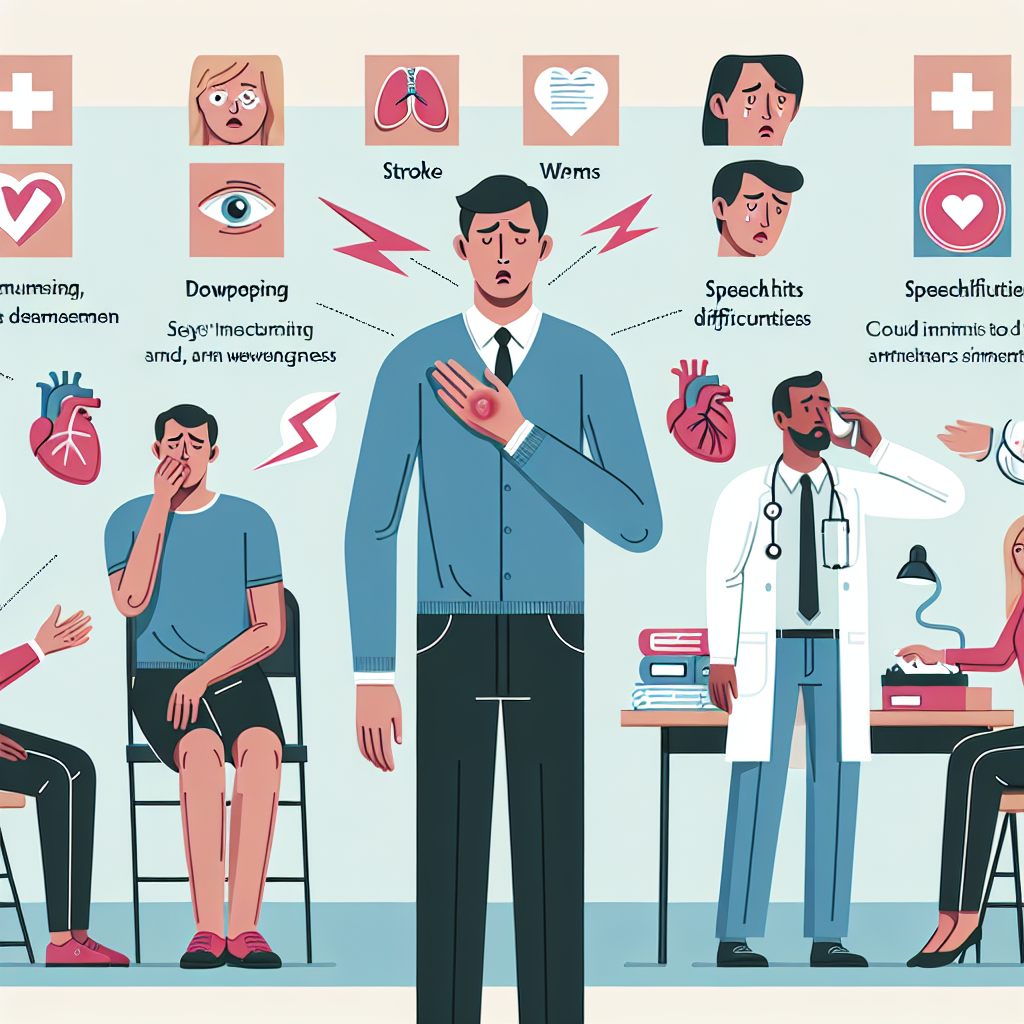
## Understanding the Importance of Early Stroke Recognition
Every year, millions of people worldwide experience a stroke, which is a leading cause of death and disability. Rapid identification and treatment can significantly enhance outcomes and reduce the long-term impact on individuals’ lives. The National Health Service (NHS) has launched a groundbreaking campaign to educate the public on recognizing early stroke symptoms, a vital step in saving lives and improving recovery rates.
In this comprehensive guide, we delve into the NHS’s latest initiatives, exploring how to identify stroke symptoms effectively and the critical importance of timely medical intervention.
## The NHS Campaign: A Closer Look
The NHS’s campaign is centered around increasing public awareness of stroke symptoms through education and community engagement. This initiative offers various resources and tools aimed at empowering individuals to act swiftly and confidently when faced with a potential stroke situation.
### Key Elements of the Campaign
– **Public Awareness**: Educating communities on stroke signs through workshops, online resources, and media campaigns.
– **Early Detection Tools**: Innovative methods to help people quickly recognize stroke indicators.
– **Healthcare Collaboration**: Bridging the gap between healthcare providers and communities to enhance swift response and care.
## Recognizing Stroke Symptoms: The FAST Approach
The cornerstone of the NHS’s campaign is the FAST acronym, which stands for Face, Arms, Speech, and Time. This easy-to-remember tool aids individuals in identifying the most common signs of a stroke.
### F – Face Drooping
One of the primary indicators of a stroke is sudden facial drooping. To identify this symptom effectively, have the person smile or show their teeth. If one side of their face droops or appears uneven, it may be a warning sign of a stroke.
#### Additional Checklist
### A – Arm Weakness
Arm weakness is another significant indicator. Ask the person to raise both arms. Difficulty in lifting one arm due to weakness or numbness is a potential symptom of a stroke.
#### Additional Checklist
### S – Speech Difficulty
Speech difficulty often manifests abruptly during a stroke. Listen for slurred or incoherent speech. Ask the individual to repeat a simple sentence to determine clarity.
#### Additional Checklist
### T – Time to Call Emergency Services
Time is of the essence when dealing with a stroke. Prompt medical intervention is crucial in minimizing brain damage and improving recovery outcomes. If any of the above signs are observed, dial emergency services immediately.
#### Additional Checklist
## Why Early Recognition Matters
Time lost is brain lost. Every minute during a stroke episode equates to potential brain cell loss; hence, understanding and reacting at the earliest is crucial.
### Benefits of Early Intervention
## The NHS’s Role in Supporting Individuals
The NHS is committed not only to raising awareness but also to reinforcing support networks for individuals who have experienced a stroke and their families. This involves offering resources and guidance on post-stroke recovery and care.
### Post-Stroke Support Services
– **Rehabilitation Programs**: Comprehensive physiotherapy and occupational therapy to aid recovery.
– **Psychological Support**: Counseling and support groups to address mental health.
– **Community Resources**: Connecting patients and families with local support and educational resources.
## Taking Action: How You Can Help
Community participation is critical to the success of the NHS campaign. You can contribute by spreading awareness, educating others, and participating in local initiatives.
### Steps You Can Take
## Conclusion
The NHS’s campaign to recognize stroke symptoms early serves as an essential step toward building a more informed and proactive society. By understanding the symptoms and the importance of swift action, we can help save lives and reduce the long-term impact of strokes. Remember the FAST approach, stay informed, and empower others with this life-saving knowledge.
By taking these crucial steps, we can transform the way society perceives strokes—from a sudden catastrophe to a manageable medical emergency—one educated individual at a time.