
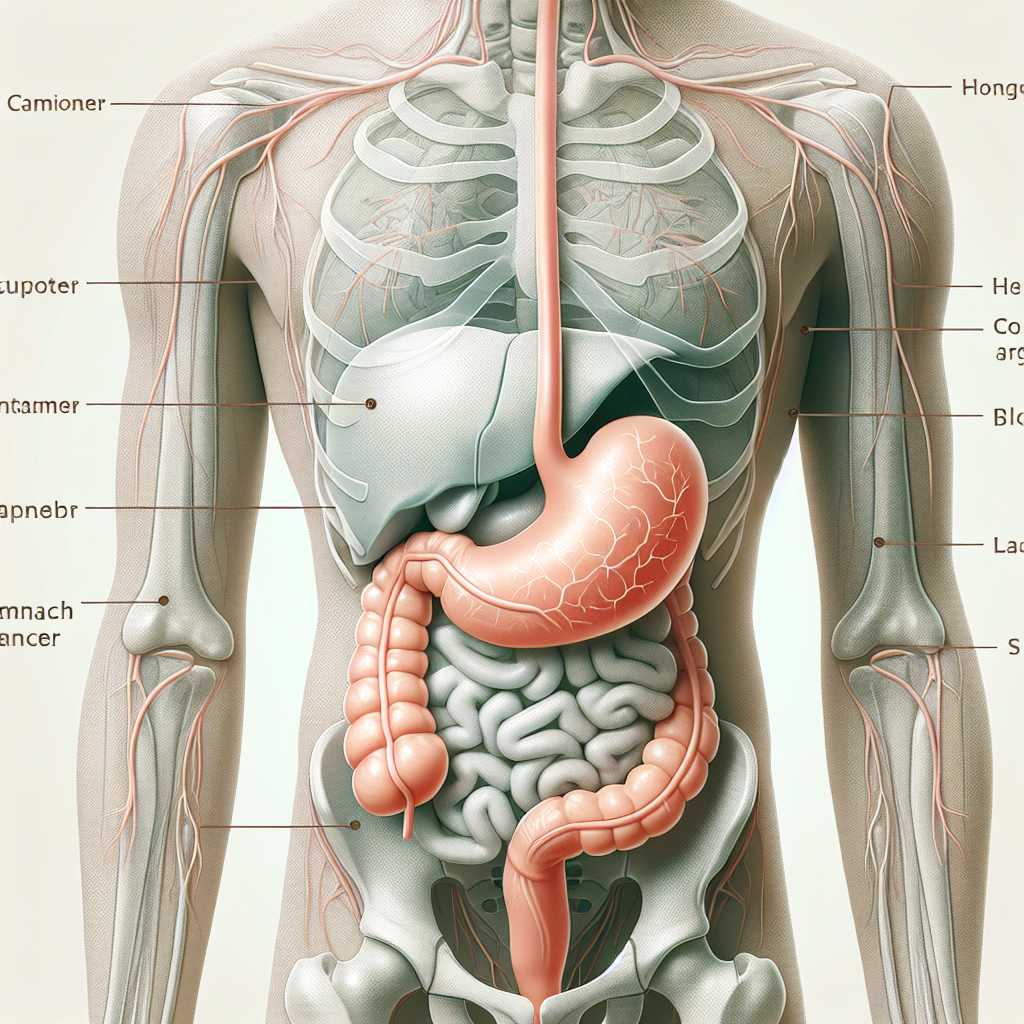
Common Stomach Sensation Linked to Cancer: Know the Warning Signs
The human body has a myriad of ways to signal that something might be amiss. Among these, stomach sensations are often overlooked or dismissed as minor issues. However, recent studies have unveiled a disturbing connection between seemingly innocuous stomach feelings and cancer. Understanding these warning signs can be pivotal in early diagnosis and treatment. Let’s delve into the details and learn how to become more attuned to our body’s messages.
Understanding Stomach Sensations
What Are Stomach Sensations?
Stomach sensations encompass a wide range of feelings experienced in the abdominal area. These can include sensations such as:
- Bloating: Feeling of fullness or tightness
- Discomfort: A general uneasy feeling in the stomach
- Pain: Sharp or dull aches
- Acidity: Burn or discomfort from acid reflux
- Nausea: Sensation of needing to vomit
While most people experience these symptoms occasionally, persistent or unusual sensations should not be ignored.
Why We Should Pay Attention
The stomach acts as a major hub for digestion and general health. Abnormal sensations can sometimes be early indicators of conditions that require immediate attention. This includes certain types of cancer, like stomach or pancreatic cancer, which may initially present themselves through such sensations.
Stomach Sensation and Its Link to Cancer
Types of Cancers Linked to Stomach Sensations
The symptoms of stomach cancer can sometimes mimic those of benign conditions, making it critical to recognize when something is out of the ordinary. Some types of cancers linked to stomach sensations include:
- Gastric Cancer: Also known as stomach cancer; signs can include persistent bloating, feeling full after small meals, and pain in the stomach area.
- Pancreatic Cancer: Early symptoms are often vague but can include upper abdominal pain and a general feeling of discomfort.
- Esophageal Cancer: Trouble swallowing and feeling like food is sticking in the throat or chest can sometimes present alongside stomach sensitivity.
Warning Signs to Watch Out For
It’s essential to recognize warning signs that can differentiate between regular digestive issues and more serious concerns. If you consistently experience the following, it’s time to consult a healthcare professional:
- Unexplained Weight Loss: Sudden or unintentional loss of weight without changes in diet or exercise.
- Chronic Indigestion: Frequent heartburn or indigestion that isn’t relieved by over-the-counter medications.
- Persistent Abdominal Pain: Ongoing or severe stomach aches that do not resolve.
- Blood in Stool or Vomit: Noticing blood can be a major indicator of underlying issues.
- Difficulty Swallowing: Frequent trouble swallowing or sensation of food being stuck.
Steps for Prevention and Early Detection
Routine Health Screenings
Routine medical check-ups can help catch potential issues early. Endoscopies and imaging tests like CT scans might be necessary if symptoms suggest something more serious.
Lifestyle Changes to Reduce Risk
While not all cancer risk is preventable, embracing a healthy lifestyle can significantly mitigate the chances. Consider the following habits:
- Balanced Diet: Maintain a diet rich in vegetables, fruits, whole grains, and lean proteins.
- Regular Exercise: Aim for at least 150 minutes of moderate aerobic activity weekly.
- Avoid Tobacco and Limit Alcohol: Smoking is a well-known risk factor for various cancers, and excessive alcohol consumption can cause stomach and liver issues.
- Stay Hydrated: Drink plenty of water to assist digestion and nutrient absorption.
Keeping a Symptom Diary
Consider maintaining a symptom diary. Documenting your daily sensations can provide your doctor with valuable insights. You can include details such as:
- Intensity and duration of each symptom.
- Times when symptoms occur related to meals, stress, or physical activity.
- Dietary changes or new supplements.
- Any patterns or triggers you notice.
Treatment Options
Medical Treatments
If cancer is diagnosed, treatment options vary depending on the type and stage. These can include:
- Surgery: Removal of the cancerous tissue.
- Chemotherapy: Use of drugs to kill or slow the growth of cancer cells.
- Radiation Therapy: High-energy beams targeting and destroying cancer cells.
- Targeted Therapy: Uses medications that interfere with specific molecules involved in cancer growth.
Complementary Therapies
Besides conventional treatments, some patients find relief and emotional support through complementary therapies such as:
- Acupuncture
- Meditation
- Nutritional Therapy
- Yoga and Mindfulness
Conclusion
Vigilance is key when it comes to health. While many stomach sensations are benign, knowing the warning signs of cancer-associated sensations can be life-saving. By maintaining health vigilance, prioritizing routine screenings, and seeking medical advice when symptoms persist, we can take charge of our well-being.
Awareness and early action can significantly improve outcomes, ensuring that we catch potential issues before they escalate. Stay informed, stay cautious, and prioritize your health.
“`