
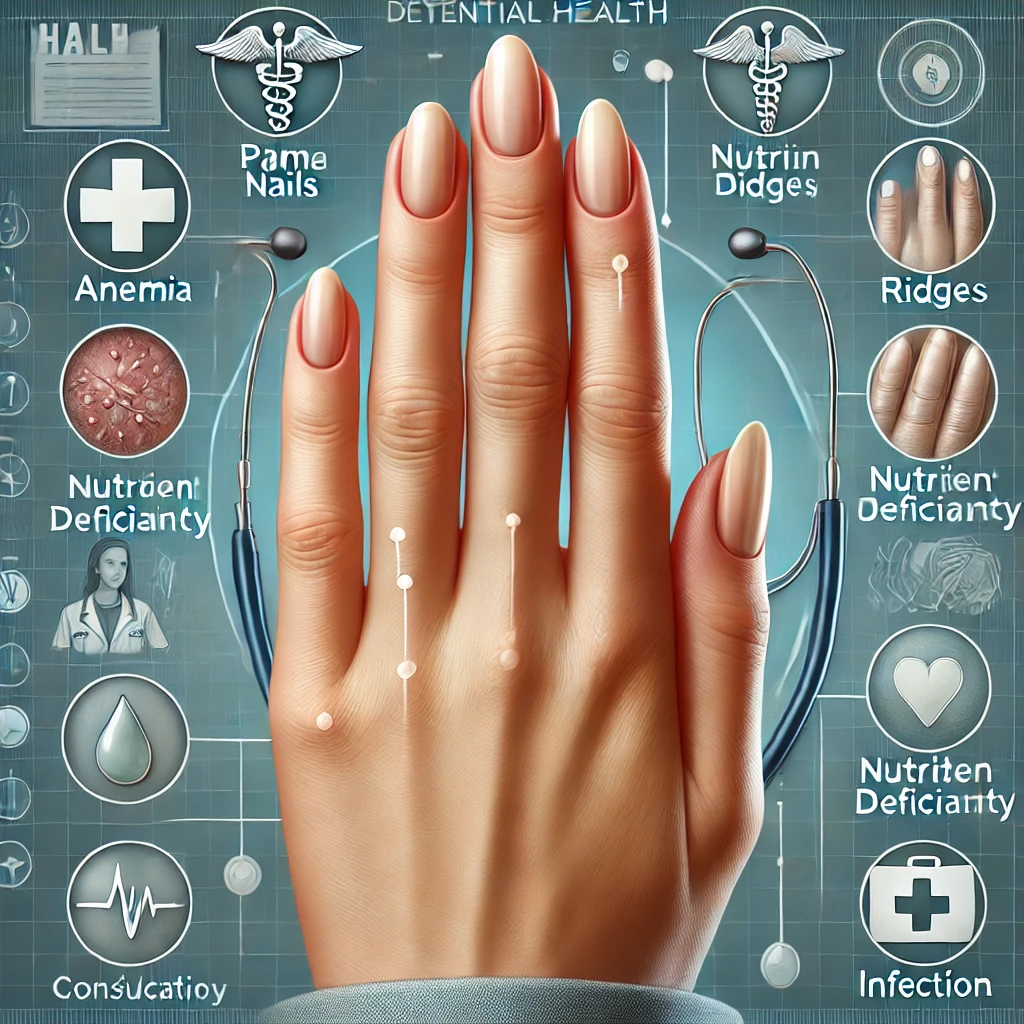
Fingernail Test Could Indicate Health Issues – Consult a Doctor
We often overlook our fingernails, but they can be a window into our overall health. Beyond their role in everyday tasks, our nails can reveal important clues about underlying medical conditions. Changes in color, texture, or shape of your nails could be a sign that something is amiss internally. This blog will dive into the so-called “fingernail test” and why it might indicate the need for a doctor’s consultation.
Why Your Fingernails Matter
Nails are made of a protein called keratin, the same substance found in your hair and skin. Healthy nails are typically smooth, consistent in color, and free of spots or abnormalities. When changes occur, it’s often a reflection of what’s going on inside your body. Fingernails grow slowly, so any health issues affecting them are likely to have been present for some time.
By learning to recognize the signs, you can detect potential health problems early. The “fingernail test” isn’t an official medical diagnostic tool but serves as a quick way to notice abnormalities that might warrant further investigation.
Common Fingernail Symptoms and What They Could Mean
Let’s explore some common changes in your fingernails and what they might indicate:
- Pale or White Nails
- Possible Causes: Anemia, heart disease, liver disease, or malnutrition.
- If your nails have turned pale or almost white, it could be a sign of low red blood cell count (anemia) or a more serious issue like heart disease.
- Yellow Nails
- Possible Causes: Fungal infections, thyroid disease, diabetes, or respiratory problems.
- Yellowing nails often point to fungal infections, but if accompanied by thickening and slow growth, it could indicate issues with your thyroid or lungs.
- Blue Nails
- Possible Causes: Cyanosis (lack of oxygen), heart or lung conditions.
- Nails turning blue or purple could be a sign that your body isn’t getting enough oxygen, potentially due to lung diseases like chronic obstructive pulmonary disease (COPD) or cardiovascular issues.
- Pitted or Ridged Nails
- Possible Causes: Psoriasis, eczema, or autoimmune diseases.
- Tiny depressions or ridges on the nails might indicate psoriasis or other skin conditions. Severe cases could be linked to autoimmune disorders.
- Brittle, Cracked, or Split Nails
- Possible Causes: Hypothyroidism, biotin deficiency, or frequent exposure to water.
- While brittle nails are often linked to external factors like harsh chemicals, persistent brittleness could point to a deficiency in biotin (Vitamin B7) or thyroid issues.
- Dark Lines Beneath the Nails
- Possible Causes: Melanoma (a type of skin cancer).
- Dark, vertical streaks could be a warning sign of melanoma, especially if they appear suddenly. If you notice this, consult a doctor immediately.
- Clubbed Nails (Bulbous Fingertips)
- Possible Causes: Lung disease, liver disease, or inflammatory bowel disease.
- If the ends of your fingers swell and the nails curve downward, this could be a sign of chronic low blood oxygen levels or lung problems like fibrosis.
How to Perform a Quick Fingernail Check at Home
While self-diagnosing isn’t recommended, you can perform a basic assessment to see if your nails are showing signs of health problems. Here’s a simple checklist:
- Examine the Color: Look for consistent color across all your nails. Discoloration is a red flag.
- Check for Texture: Are there ridges, pits, or unusual textures?
- Observe the Shape: Nails should have a natural curve and not be too flat or overly curved.
- Assess the Strength: Healthy nails are strong and flexible. Frequent breaks or brittleness might indicate an issue.
If you notice anything unusual, take note of how long the symptom persists. Temporary changes can result from minor injuries or diet, but prolonged abnormalities warrant a doctor’s visit.
When to Consult a Doctor
The fingernail test is a starting point, not a substitute for professional medical advice. If you spot any of the symptoms mentioned or notice sudden, unexplained changes in your nails, it’s crucial to consult a healthcare provider. These symptoms could be a sign of something more serious that requires treatment.
Some conditions, like anemia or thyroid disorders, can be managed effectively with medication and lifestyle changes once diagnosed. Others, like melanoma, need immediate attention for a better prognosis. Therefore, taking nail changes seriously could potentially save your life.
Prevention and Maintenance Tips for Healthy Nails
While some nail changes are linked to internal health conditions, maintaining good nail hygiene can prevent external damage:
- Eat a Balanced Diet: Include foods rich in biotin, zinc, and iron to promote nail health.
- Moisturize Regularly: Use hand cream or cuticle oil to prevent dryness and cracking.
- Avoid Harsh Chemicals: Limit exposure to cleaning products, nail polish removers, and detergents.
- Trim Nails Properly: Cut nails straight across to avoid ingrown nails.
- Don’t Bite Your Nails: This can damage the nail bed and introduce infections.
Final Thoughts: Listen to What Your Nails Are Telling You
Your fingernails might not be the first thing you think of when considering your health, but they can reveal surprising insights into your body’s well-being. By paying close attention and consulting a doctor when you notice unusual changes, you can potentially catch health issues before they become severe.
Always remember, your body has ways of communicating its needs. Sometimes, it starts with something as simple as your fingernails.
Disclaimer: This blog is for informational purposes only and should not replace professional medical advice. Always consult with a qualified healthcare provider regarding any health concerns.