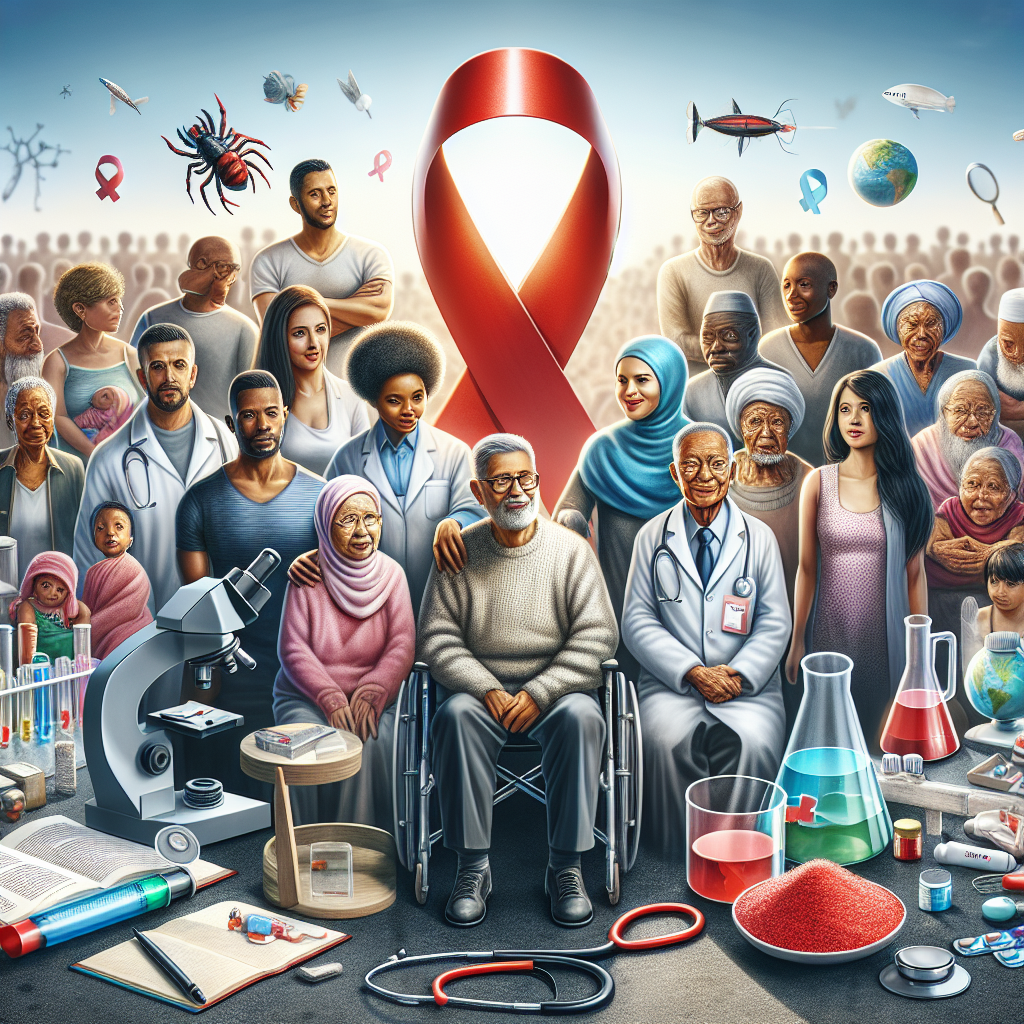
# Raising Awareness: The Ongoing Fight Against HIV Needs Attention
The battle against HIV, a virus that has relentlessly plagued humanity for decades, is far from over. While significant progress has been made in terms of awareness, prevention, and treatment, it remains crucial to keep the global focus on this ongoing fight. This isn’t just a matter of public health but a moral imperative to improve the lives of millions impacted by the virus. In this post, we’ll delve into the importance of sustained attention, efforts that have shown success, and what needs to be done moving forward.
## Understanding HIV: A Brief Overview
**Human Immunodeficiency Virus (HIV)** is a virus that attacks the body’s immune system. Without treatment, it can progress to AIDS (Acquired Immunodeficiency Syndrome), a condition characterized by severe immune system damage. Learning about the virus itself is the first step in combating its spread and impact:
–
**Origin:** The virus was identified in the early 1980s, and since then, it has claimed millions of lives worldwide.
–
**Transmission:** HIV is primarily spread through sexual contact, needle sharing, and from mother to child during birth or breastfeeding.
–
**Symptoms:** Initial symptoms may resemble a flu-like illness, but as the infection advances, it severely compromises the immune system.
## The Current Global Situation
Despite remarkable advancements in medical treatments, HIV remains a significant global health issue. According to UNAIDS:
–
Approximately 38 million people worldwide are living with HIV.
–
In 2022 alone, 1.5 million new infections occurred globally.
–
The virus disproportionately affects key populations, including sex workers, men who have sex with men, transgender people, and people who inject drugs.
Amidst these statistics, it’s apparent that ongoing efforts are essential to mitigate new infections, improve treatments, and address the stigma surrounding HIV.
## Awareness: A Powerful Tool in Fighting HIV
### The Role of Education and Awareness
**Raising awareness about HIV** can significantly reduce the stigma attached to it, encourage testing, and decrease transmission rates. Awareness campaigns can be effective in various ways:
–
**Informing the Public:** Educating people about how HIV is transmitted can dispel myths and misconceptions, fostering a more supportive community for those affected.
–
**Promoting Testing:** Regular testing is critical for early detection and prevention of HIV. Awareness campaigns can encourage individuals, especially those at risk, to get tested.
–
**Highlighting Treatment Options:** Modern antiretroviral therapy (ART) can help manage the virus, improving quality of life and reducing transmission risk to near zero when the viral load is suppressed.
### Successes in Awareness Campaigns
Examples of successful awareness initiatives include:
– **The RED Campaign:** This initiative partners with major brands to raise funds for HIV/AIDS programs in Africa and increase public awareness. Through its bold marketing approach, it has raised over $700 million.
– **World AIDS Day:** Held annually on December 1st, it serves to provide continuous global awareness about HIV/AIDS, breaking down stereotypes and encouraging dialogue around the disease.
## The Role of Technology in HIV Prevention and Treatment
### Digital Tools for Awareness and Education
**Technology plays a vital role** in spreading information and increasing awareness about HIV. Some effective uses include:
–
**Mobile Health Platforms:** Apps like Healthvana provide resources, reminders for medication, and daily health tips, increasing adherence to treatment plans.
–
**Web-Based Initiatives:** Online courses and webinars can educate a global audience, making information accessible to remote communities.
### Advances in HIV Treatment
–
**Antiretroviral Therapy (ART):** With ART, people living with HIV can maintain a high quality of life. This treatment suppresses the viral load, making the virus undetectable and untransmittable.
–
**Pre-exposure prophylaxis (PrEP):** PrEP is a daily pill that significantly reduces the risk of contracting HIV among at-risk populations.
–
**Long-Acting Injectables:** New injectable treatments offer longer intervals between doses, improving adherence and lifestyle for those living with HIV.
## Challenges That Persist
Despite these advancements, the fight against HIV still faces many obstacles:
### Social and Cultural Barriers
–
**Stigma and Discrimination:** These factors often prevent individuals from seeking the care they need. Breaking down these barriers is critical.
–
**Lack of Education:** In many parts of the world, especially in low-income regions, there is still a significant gap in understanding HIV prevention and treatment.
### Economic and Resource Constraints
–
**Limited Access to Healthcare:** In some areas, access to antiretroviral treatments and other medical services is minimal or non-existent.
–
**Funding Challenges:** As global priorities shift, consistent funding for HIV programs is essential to maintain progress in prevention and treatment efforts.
## The Path Forward
### Community and Global Efforts
–
**Enhancing Partnerships:** Collaboration between governments, non-profits, and the private sector is crucial to provide resources and improve access to healthcare.
–
**Investing in Research:** Continued research is vital to improve treatments and ultimately find a cure for HIV.
### Individual Responsibility
Everyone can contribute to the fight against HIV:
–
**Get Tested Regularly:** Knowing your status is crucial to disease prevention.
–
**Educate Others:** Share accurate information to dismantle myths and encourage informed decision-making.
–
**Support HIV Initiatives:** Participate in events and campaigns, spread awareness, and donate to organizations that fight HIV/AIDS globally.
## Conclusion
The fight against HIV needs sustained attention and action. Awareness, when combined with the latest scientific advancements and global cooperation, holds the potential to reduce and eventually eliminate the impact of HIV. By staying informed and compassionate, we can change the course of the epidemic and build a healthier, more inclusive world for all.