
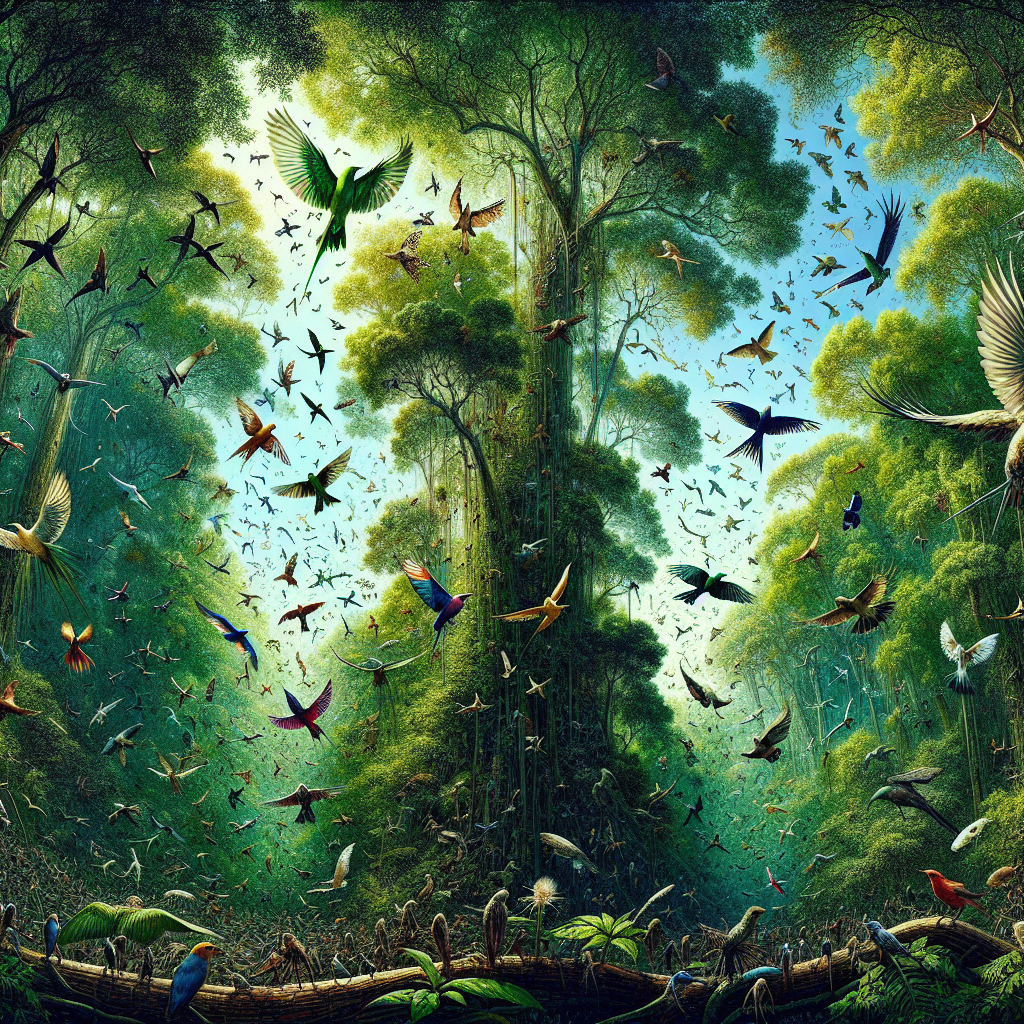
The delicate balance of ecosystems can be easily disrupted by human intervention. In recent years, the release of millions of birds across various geographic locations, originally intended as a conservation effort, has inadvertently impacted other aspects of these ecosystems. This article dives into how these well-intended actions have unexpectedly led to a surge in tick populations.
## Understanding the Ecological Background
Birds play a crucial role in ecosystems globally and are often **celebrated for their contributions** to biodiversity and ecological balance. They are involved in **seed dispersal**, **pollination**, and **pest control**. However, their introduction into non-native environments can result in significant unintended consequences.
### Birds and Ticks: A Complex Relationship
Birds and ticks share an intricate relationship. While several bird species consume insects, including ticks, certain circumstances cause this natural control mechanism to backfire. When avian populations surge unnaturally, these balances can be skewed significantly.
How Birds Can Increase Tick Populations:
–
–
–
## The Impact of Human Actions
The release of birds into new environments is often inspired by **positive intentions**, such as conservation or insect control. However, the rapid rise in tick populations suggests that these introductions sometimes create **more harm** than good.
### Case Studies: Unintended Consequences of Bird Releases
Several countries have experienced unintended consequences from the introduction of bird species:
#### 1. **The North American Paradox**
In the mid-2000s, North America saw a notable release of game birds for hunting purposes. While this effort supported recreational activities, it also facilitated the rise of tick populations through:
#### 2. **European Efforts Gone Awry**
In Europe, birds released as a measure to control insects have, ironically, aided the spread of fasciode ticks, exacerbating Lyme disease cases in parts of the continent. Factors contributing to this issue include:
#### 3. **Island Ecosystem Imbalance**
On islands, fragile ecosystems have been imbalanced due to the introduction of new bird species which were introduced to boost tourism and biodiversity. These actions:
## A Call for Holistic Conservation Practices
The rise in tick populations due to bird releases highlights the urgency for **holistic conservation practices**. Rethinking strategies and mitigating adverse impacts should be priorities for conservationists worldwide.
### Strategies to Future-Proof Conservation Efforts
To minimize unintended environmental impacts, conservation programs must prioritize:
#### 1. **Comprehensive Impact Assessments**
#### 2. **Enhancing Native Ecosystems**
#### 3. **Technological Integration**
#### 4. **Community Collaboration**
Engaging local communities can enhance conservation efforts through:
## Conclusion: Navigating the Complexity of Ecosystem Management
While the release of birds may have been rooted in benevolent intentions, the subsequent rise in tick populations is a cautionary tale of **unforeseen ecological ripple effects**. To maintain the delicate balance of our ecosystems, it is imperative that conservation strategies are both comprehensive and adaptable. In doing so, we can align our environmental interventions with the intricate systems at play, fostering more sustainable interactions between species and their habitats.
Through collective efforts and mindful conservation practices, we can mitigate the unintended effects of our interventions, ensuring that ecosystems thrive with biodiversity and resilience for generations to come.