
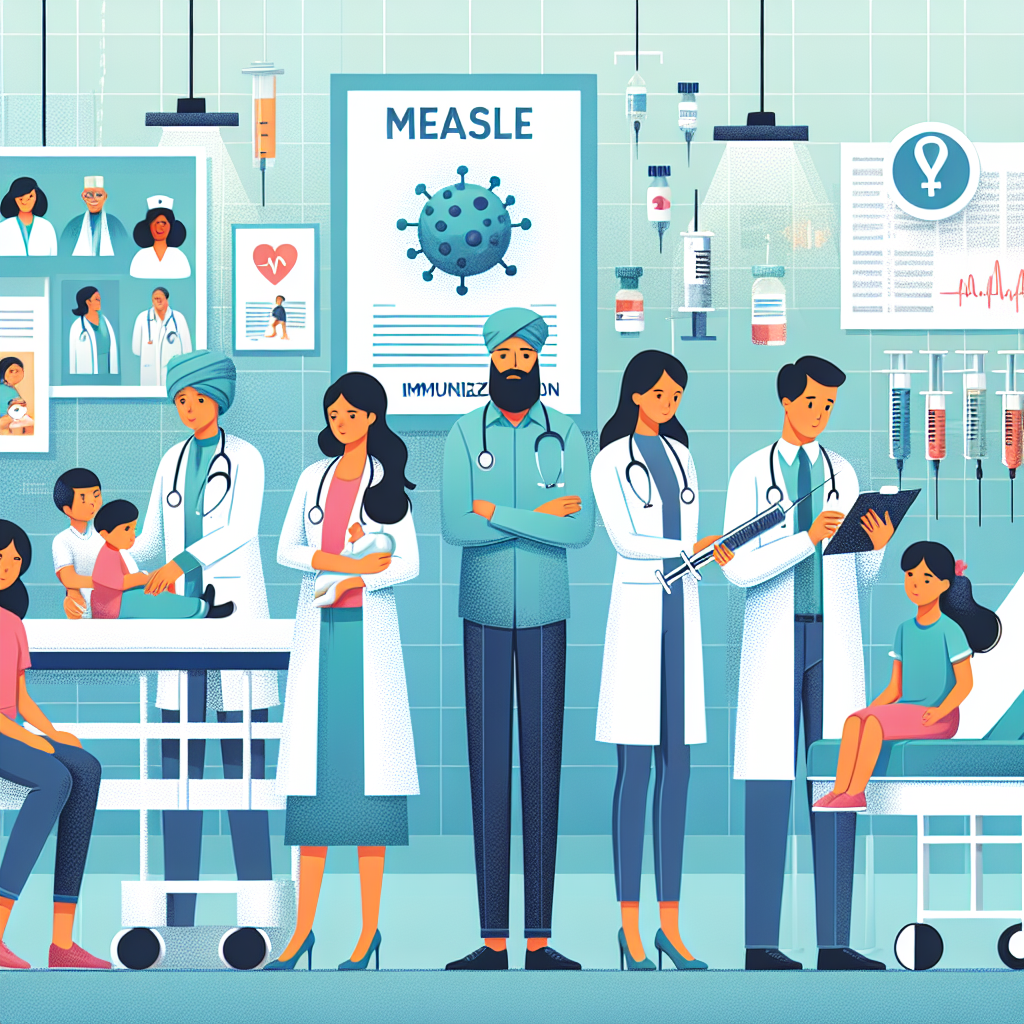
The recent measles tragedy in a UK hospital has ignited widespread concerns over potential outbreaks, raising alarms among health officials, parents, and communities alike. The incident has brought to light the importance of vaccination, public awareness, and effective health policies. In this blog post, we’ll delve deeper into the factors contributing to the tragedy, the implications of a potential outbreak, and preventive measures that can mitigate future risks.
## Understanding Measles: A Highly Contagious Threat
Measles is a viral disease known for its high contagion potential. Spread through respiratory droplets, it can infect individuals who are not vaccinated or have a weakened immune system. **The alarming aspect of measles is its ability to linger in the air for hours** after an infected person leaves the vicinity, putting anyone in the area at risk.
### Symptoms and Complications of Measles
The initial symptoms of measles can easily be mistaken for a common cold or flu. They include:
As the disease progresses, a distinctive rash, starting on the face and spreading to other body parts, develops. Over time, measles can lead to severe complications, such as:
### The Role of Vaccination
Vaccination remains the most effective method of preventing measles. The MMR vaccine (measles, mumps, and rubella) is about 97% effective after the second dose. **Despite the proven efficacy of vaccines, scepticism and misinformation contribute to declining vaccination rates**. This has catalyzed the re-emergence of measles in regions previously declared measles-free.
## The Tragedy Unfolding in the UK Hospital
The tragedy in the UK hospital underscores several significant issues influencing measles outbreaks. **It has become a case study for health authorities** to reassess their strategies and ensure better handling of such crises in the future.
### Factors Contributing to the Outbreak
Several factors have been identified as contributors to the recent outbreak:
– **Vaccination Hesitancy**: A portion of the population remains unvaccinated due to misinformation and fear surrounding vaccine safety.
– **International Travel**: Increased mobility has seen the reintroduction of measles in areas that had previously controlled the virus.
– **Healthcare System Gaps**: Limited resources, staffing shortages, and an overload of cases can strain the response capabilities of healthcare facilities.
### Implications for Public Health
The outbreak serves as a wake-up call for public health authorities, emphasizing the need to improve surveillance, vaccination coverage, and **public education about the importance of immunization**. Failure to address these areas can jeopardize the nation’s health system, potentially resulting in more widespread disease transmission.
## Actionable Measures to Prevent Further Outbreaks
Preventing future measles outbreaks requires a multifaceted approach involving both individual and policy-level interventions.
### Boosting Public Awareness
Effective communication strategies are essential to promote vaccination and dispel myths. Some tactics include:
– **Educational Campaigns**: Launch campaigns featuring reputable healthcare professionals to explain the importance and safety of vaccines.
– **Public Service Announcements**: Use traditional and social media channels to reach diverse demographics with compelling messages about the benefits of vaccination.
– **Community Engagement**: Collaborate with community leaders to foster trust and increase vaccine acceptance among hesitant populations.
### Strengthening Healthcare Infrastructure
Healthcare systems must be fortified to handle potential outbreaks effectively:
– **Vaccination Clinics**: Establish or expand mobile clinics to reach remote or underserved areas.
– **Training Programs**: Provide ongoing training for healthcare workers on outbreak management and effective patient communication.
– **Surveillance Systems**: Implement advanced surveillance systems for early detection and rapid response to outbreak signals.
### Policy Interventions and Collaboration
Government intervention plays a crucial role in combatting measles. Policymakers should consider:
– **Mandatory Vaccination Policies**: Implement policies requiring vaccinations for school entry while allowing for medical exemptions.
– **Global Partnerships**: Work with international organizations to ensure a consistent global effort towards measles eradication.
– **Funding Allocation**: Allocate adequate resources for research, vaccination programs, and infrastructure improvements.
## Conclusion: A Call to Action Against Measles
The measles tragedy in the UK hospital is a stark reminder of the challenges that come with combating infectious diseases in an interconnected world. It highlights the need for a concerted effort at the societal and governmental levels to prioritize vaccination and reinforce healthcare systems.
**The prevention of future measles outbreaks will depend on strong public health policies, informed community participation, and prudent resource management.** Let this incident spark proactive measures that lead to not only the containment of measles but its eventual eradication.
Together, through collective action and commitment, we can ensure a healthier future, free from the threat of measles and other preventable diseases.