
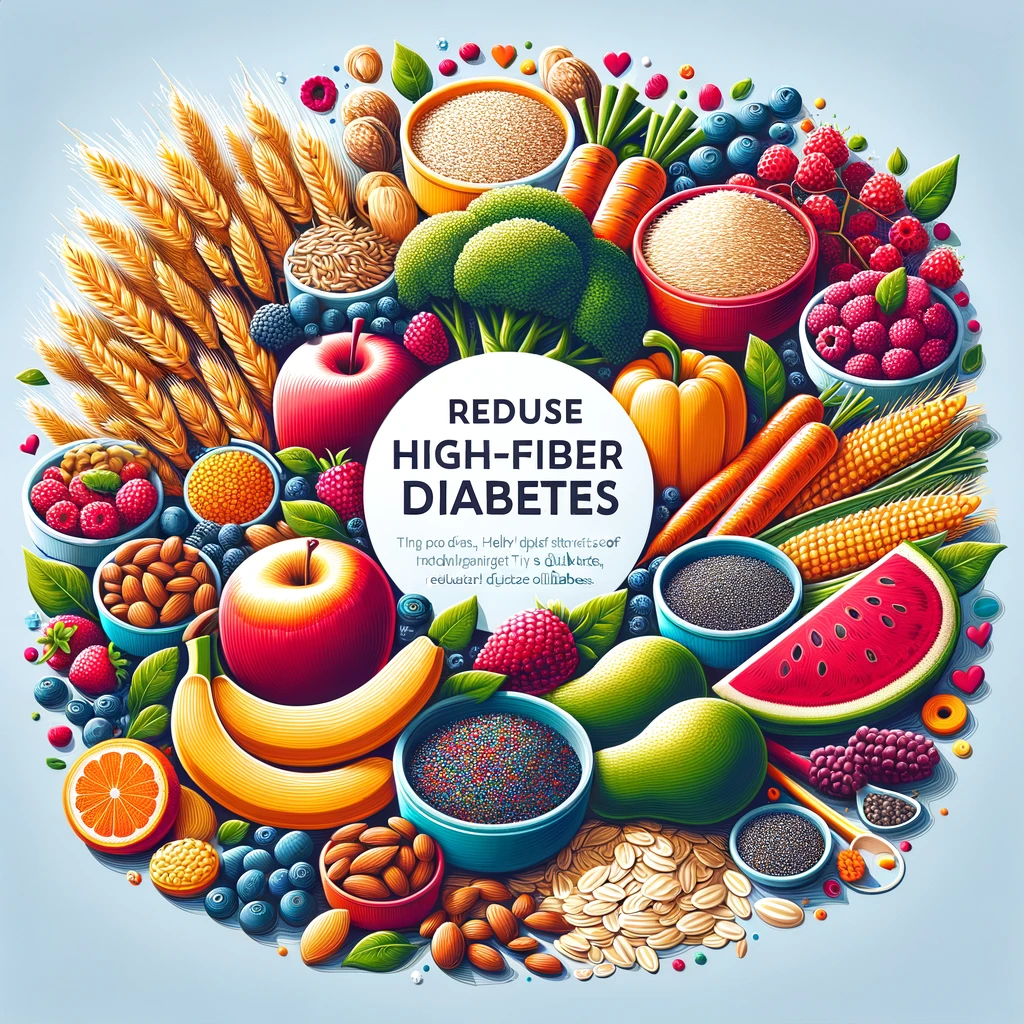
Discover How This Nutrient Dramatically Reduces Type 2 Diabetes Risk
In recent years, type 2 diabetes has become a growing health concern worldwide, affecting millions of people. Many of us have heard that diet plays a key role in managing and even preventing type 2 diabetes, but did you know that a particular nutrient might be a game-changer when it comes to reducing your risk? Today, we will explore how this crucial nutrient—fiber—can dramatically lower the chances of developing type 2 diabetes and improve overall health.
The Diabetes Dilemma
Type 2 diabetes occurs when the body either becomes resistant to insulin or cannot produce enough of it, leading to elevated blood sugar levels. This condition is often linked to lifestyle factors, including diet, physical activity, and weight management. With diabetes becoming increasingly prevalent, it’s important to consider how simple dietary changes can play a significant role in risk reduction.
Fiber: The Unsung Hero
One of the most powerful nutrients in reducing the risk of type 2 diabetes is fiber. Fiber, found in many plant-based foods, is often overlooked, but it has a significant impact on metabolic health. It is divided into two types: soluble and insoluble fiber. Both types offer numerous health benefits, but soluble fiber, in particular, plays a major role in regulating blood sugar levels and enhancing insulin sensitivity.
Here’s how fiber works its magic:
- Improves Blood Sugar Control: Soluble fiber dissolves in water and forms a gel-like substance that slows down the absorption of sugar in the bloodstream. This leads to better blood sugar stability, which can help prevent spikes and reduce the overall risk of developing diabetes.
- Increases Satiety and Aids in Weight Management: High-fiber foods tend to be more filling, which helps in reducing overall calorie intake. By promoting a sense of fullness, fiber can support weight management—an essential factor in reducing diabetes risk. Studies show that people who maintain a healthy weight are significantly less likely to develop type 2 diabetes.
- Feeds Beneficial Gut Bacteria: Fiber serves as food for the beneficial bacteria in the gut. A healthy gut microbiome is closely linked to better metabolic function and improved insulin sensitivity. This means that consuming fiber not only helps regulate blood sugar but also supports the overall health of your digestive system.
The Best Sources of Fiber
Incorporating fiber into your diet doesn’t have to be complicated. Here are some of the best sources of fiber that can help lower your risk of type 2 diabetes:
- Whole Grains: Foods like oats, quinoa, brown rice, and whole wheat are excellent sources of fiber and can be easily added to everyday meals.
- Legumes: Beans, lentils, and chickpeas are not only rich in fiber but also a good source of plant-based protein.
- Fruits and Vegetables: Apples, berries, carrots, and leafy greens are packed with fiber, along with essential vitamins and minerals.
- Nuts and Seeds: Almonds, chia seeds, and flaxseeds offer a good amount of fiber and healthy fats that further contribute to stable blood sugar levels.
How Much Fiber Do You Need?
The recommended daily intake of fiber varies depending on age and gender, but a general guideline for adults is 25-30 grams per day. Unfortunately, many people consume far less than this recommended amount. By being mindful of including fiber-rich foods in every meal, you can make significant strides toward meeting this goal and supporting your overall health.
Tips for Increasing Your Fiber Intake
Here are some simple ways to increase your fiber intake without drastic changes to your diet:
- Start Your Day with Whole Grains: Choose oatmeal or a high-fiber cereal for breakfast to kick-start your daily intake.
- Add Vegetables to Every Meal: Include a serving of vegetables in all your meals. Add greens to your sandwiches or mix extra veggies into soups and stews.
- Snack on Fruits and Nuts: Swap sugary snacks for fresh fruit or a handful of nuts. Berries are a particularly great choice, as they are low in sugar and high in fiber.
- Include Legumes: Add beans or lentils to salads, soups, or main dishes for an easy fiber boost.
The Science Behind Fiber and Diabetes Prevention
Research consistently supports the positive role of fiber in diabetes prevention. A large meta-analysis published in the journal Diabetologia found that individuals with higher fiber intakes had a significantly lower risk of developing type 2 diabetes compared to those with low fiber intake. The researchers concluded that every 10 grams of fiber consumed daily could reduce diabetes risk by 9%. This makes fiber one of the most effective, natural ways to help guard against diabetes.
A Final Thought: Small Changes, Big Impact
Incorporating more fiber into your diet might seem like a small change, but it can have profound effects on your health—particularly in reducing the risk of type 2 diabetes. Whether you are looking to make healthier choices for yourself or your family, adding fiber-rich foods to your meals is a simple yet powerful step towards better health. By taking these steps today, you can drastically lower your chances of developing type 2 diabetes and pave the way for a healthier future.
So, the next time you’re at the grocery store, remember to pick up some whole grains, fresh fruits, and legumes. Your body—and especially your blood sugar—will thank you.