
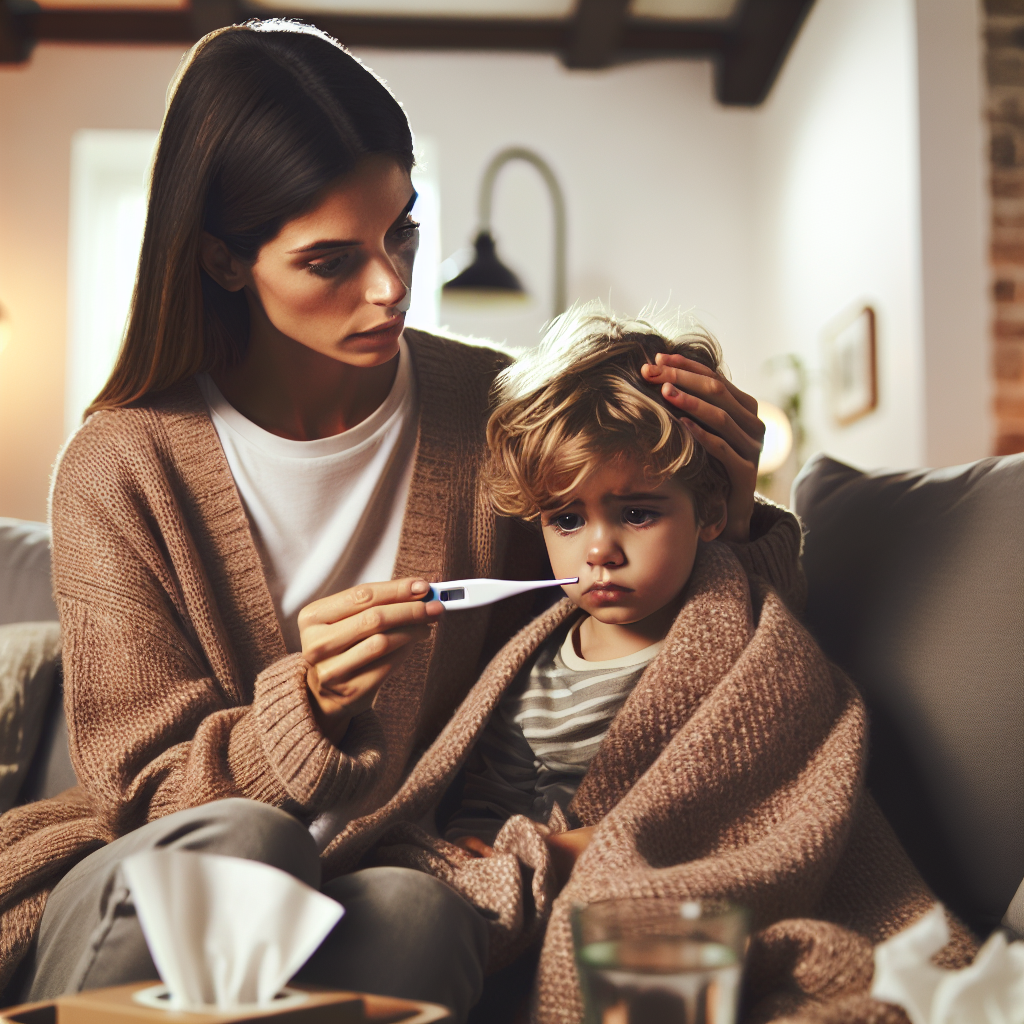
Norovirus Alert: Key Symptoms to Watch Before Sending Kids to School
As parents, keeping your children healthy is always a top priority, especially during the colder months when illnesses seem to spread like wildfire. One virus that frequently makes an unwelcome appearance, especially in schools and daycare centers, is norovirus. Known for being highly contagious, norovirus can turn a regular school day into a nightmare for kids, parents, and teachers alike. Understanding its symptoms and taking proactive measures can make all the difference in preventing a widespread outbreak.
What Is Norovirus?
Norovirus is a highly contagious virus that leads to sudden-onset gastroenteritis, commonly known as the stomach flu. Despite its name, norovirus is not related to the influenza virus. Instead, it causes inflammation of the stomach and intestines, leading to symptoms like vomiting, diarrhea, and stomach pain. While anyone can catch norovirus, children are particularly vulnerable, especially when they spend time in close-contact settings like schools.
How Does Norovirus Spread?
Norovirus spreads incredibly easily and can be transmitted in several ways:
- Person-to-person contact: Kids can catch norovirus by touching an infected person—like through hugs or sharing snacks.
- Contaminated surfaces: Touching a contaminated surface, such as a desk, toy, or playground equipment, and then touching their mouth or face.
- Food and water contamination: Consuming food or drinks that have been contaminated by the virus.
The virus is resilient and can survive on surfaces for days, making schools and other public places particularly risky during an outbreak. To curb the spread, parents should know the warning signs and act promptly.
Key Symptoms of Norovirus to Watch For
Before sending your child to school, it’s essential to check for specific symptoms that could indicate a norovirus infection. Here are the key signs to watch out for:
- Nausea and Vomiting: Norovirus is infamous for sudden vomiting. Your child might start feeling nauseous and vomit multiple times within a short span. This is often one of the first signs of infection.
- Diarrhea: Another common symptom is frequent, watery diarrhea. This can quickly lead to dehydration, especially in younger children, so it’s important to keep them hydrated.
- Stomach Cramps and Pain: Children may complain about stomach aches or feel abdominal discomfort. These cramps often accompany vomiting and diarrhea.
- Fatigue and Lethargy: Fighting off norovirus takes a lot of energy. If your child seems more tired than usual or struggles to get out of bed, it might be a sign that they’re battling the infection.
- Low-Grade Fever and Chills: While fever isn’t always present, some children develop a mild fever and chills, which can further make them feel weak and unwell.
- Headache and Muscle Pain: Norovirus can cause a general feeling of being unwell, which may include headaches and muscle aches—similar to what you’d experience with the flu.
When to Keep Your Child Home
If your child exhibits any of these symptoms, it’s best to keep them at home for at least 48 hours after symptoms subside. This period is crucial, as norovirus remains contagious even after the worst of the symptoms have passed. Keeping your child home during this time helps prevent the spread of the virus to classmates and teachers, reducing the likelihood of an outbreak.
How to Care for a Child with Norovirus
If your child is showing symptoms of norovirus, here’s how you can help them recover:
- Hydration Is Key: Dehydration is a major risk with norovirus due to vomiting and diarrhea. Offer small sips of water or oral rehydration solutions regularly. Avoid sugary drinks or caffeinated beverages, as these can exacerbate dehydration.
- Rest: Your child’s body needs energy to fight the virus, so encourage them to rest as much as possible. Cozy blankets, storybooks, and gentle activities can make staying in bed more manageable.
- Monitor Symptoms: Keep an eye on your child for any signs of severe dehydration, such as dry mouth, dizziness, or decreased urination. If any of these symptoms occur, contact your healthcare provider immediately.
- Maintain Hygiene: Norovirus spreads easily, so make sure your child washes their hands frequently with soap and warm water. Disinfect surfaces at home, particularly those that your child touches often, like door handles, remotes, and bathroom fixtures.
Prevention Tips to Keep Norovirus at Bay
While norovirus is highly contagious, there are measures you can take to prevent it from affecting your family:
- Handwashing: Encourage frequent handwashing, especially after bathroom visits and before eating. Hand sanitizer isn’t as effective against norovirus, so stick to soap and water.
- Clean and Disinfect: Clean commonly touched surfaces in your home regularly. A bleach-based cleaner is most effective at killing norovirus particles.
- Avoid Sharing: Teach your child not to share food, drinks, or utensils with friends, especially during cold and flu season.
A Final Note: Communication with Your School
If your child does contract norovirus, it’s important to inform the school. Most schools have protocols in place to handle contagious illnesses, and knowing about an outbreak can help teachers and staff take preventive measures to protect other students.
While norovirus is not typically life-threatening, it can be very uncomfortable and disruptive—both for the child suffering and for the school community as a whole. By recognizing the symptoms early, keeping your child home when needed, and taking the necessary precautions, you can help minimize the spread and keep everyone healthier during norovirus season.
Stay vigilant, and remember: A couple of days at home to rest and recover is much better than risking the health of an entire classroom!