
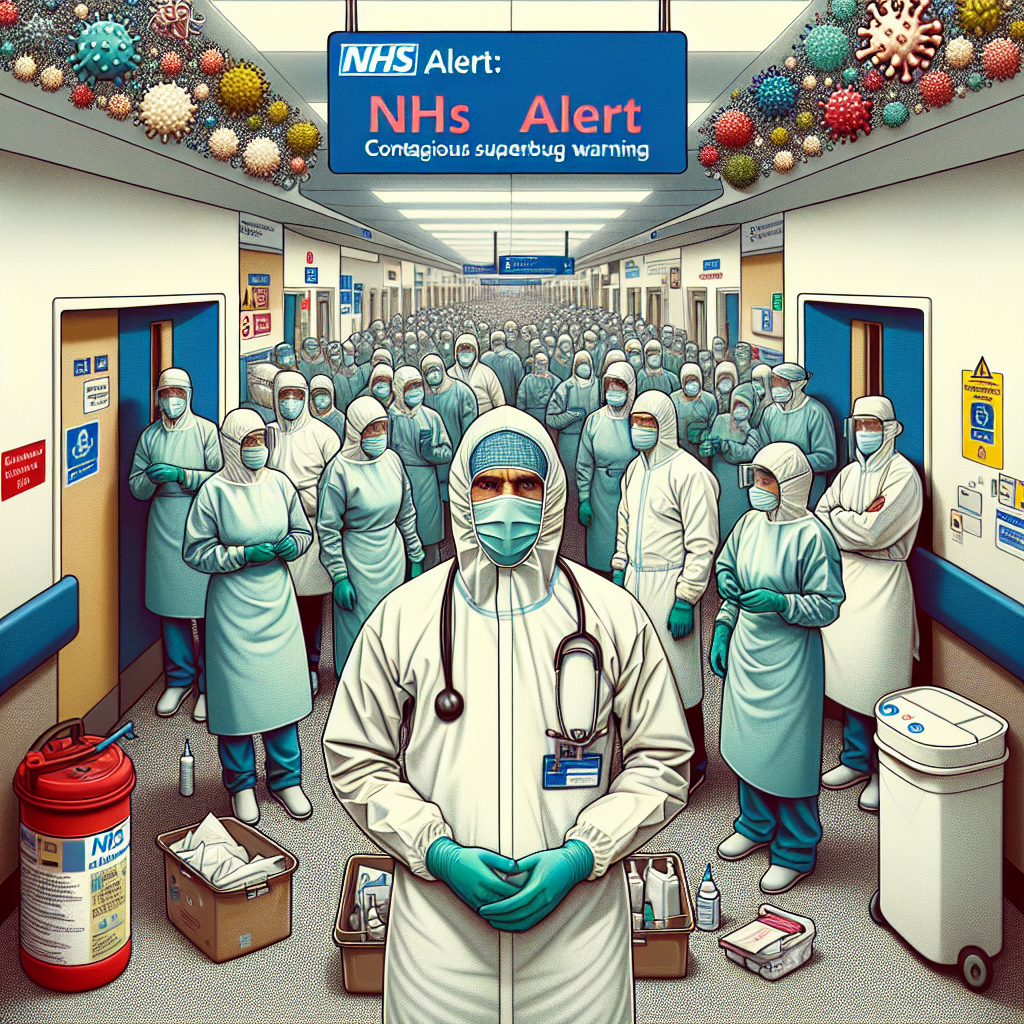
UK GPs Sound Alarm on Antibiotic-Resistant Superbug Outbreak
In recent weeks, general practitioners (GPs) across the UK have been raising alarms over an alarming surge in antibiotic-resistant infections. Reports indicate that the country is witnessing a rise in cases involving so-called “superbugs” — bacteria that no longer respond to commonly prescribed antibiotics. This outbreak is putting an immense strain on healthcare services and highlights the urgent need for action to prevent a full-blown public health crisis.
What is an Antibiotic-Resistant Superbug?
Antibiotic-resistant superbugs are bacteria that have evolved to withstand the effects of antibiotics that would normally kill them or stop their growth. Overuse and misuse of antibiotics have accelerated this process, allowing bacteria to develop resistance faster than new drugs can be developed.
The rise of superbugs means that once easily treatable infections — such as urinary tract infections, pneumonia, or even minor cuts — could become difficult or even impossible to cure. As a result, patients may face longer hospital stays, higher medical costs, and increased risk of complications.
What UK GPs Are Observing
General practitioners across the UK have reported an increase in cases where patients are not responding to standard antibiotic treatments. According to a recent survey, over 60% of GPs have encountered patients with infections that are resistant to first-line antibiotics. This has led to a surge in referrals to hospitals, where more powerful and costly antibiotics are being used as a last resort.
Key Observations by GPs:
- Rising cases of antibiotic-resistant urinary tract infections (UTIs), especially in older adults.
- Increased reports of skin infections, such as cellulitis, not responding to commonly prescribed antibiotics.
- Growing difficulty in treating respiratory infections, particularly among patients with weakened immune systems.
This worrying trend suggests that antibiotic resistance is no longer limited to isolated cases but is becoming a widespread problem across the UK.
The Impact of the COVID-19 Pandemic on Antibiotic Resistance
The COVID-19 pandemic has inadvertently worsened the problem of antibiotic resistance. During the height of the pandemic, many patients with suspected COVID-19 were prescribed antibiotics as a precautionary measure, despite the fact that antibiotics do not treat viral infections. This widespread overprescription has accelerated the development of resistant bacteria.
Other Contributing Factors:
- Telehealth Consultations: Due to restrictions, GPs relied on remote consultations, leading to antibiotics being prescribed without physical examinations, increasing the risk of inappropriate use.
- Reduced Access to Preventive Care: The pandemic caused disruptions in routine medical care, including vaccinations and infection prevention, leading to an increase in infections that required antibiotic treatment.
How Antibiotic-Resistant Superbugs Affect Public Health
The emergence of antibiotic-resistant bacteria poses a severe threat to public health, with far-reaching consequences:
- Common Infections Becoming Deadly: Minor infections that were once easily treatable could become life-threatening if they do not respond to antibiotics. This includes routine illnesses like ear infections in children or UTIs in older adults.
- Increased Pressure on the NHS: Hospitals are already stretched thin, and antibiotic-resistant infections add to the burden by requiring longer hospital stays and more intensive treatments.
- Higher Costs and Limited Treatment Options: Treating drug-resistant infections is more expensive due to the need for stronger, less readily available antibiotics. In some cases, patients may require experimental treatments, which can be costly and less effective.
- Threat to Modern Medicine: Many medical procedures, such as surgeries, chemotherapy, and organ transplants, rely on antibiotics to prevent infections. The rise of superbugs threatens the safety of these procedures, putting patients at greater risk.
What Needs to Be Done: A Call to Action
To curb the spread of antibiotic-resistant superbugs, GPs and public health officials are calling for immediate action. Here’s what needs to be done:
1. Strengthening Guidelines on Antibiotic Prescriptions
- GPs need updated training and stricter guidelines to ensure antibiotics are prescribed only when absolutely necessary. This includes discouraging their use for viral infections like colds or the flu.
2. Promoting Public Awareness
- Public education campaigns should emphasize the dangers of overusing antibiotics. Patients must understand that not every infection requires antibiotics and that misuse can have severe long-term consequences.
3. Increased Investment in Research
- The government must invest in the development of new antibiotics and alternative therapies. Without innovation in this area, the UK risks running out of effective treatment options for resistant infections.
4. Improving Infection Prevention
- Enhanced infection control measures in hospitals, care homes, and communities are essential. Simple practices like proper handwashing, sanitizing surfaces, and vaccination can help reduce the spread of infections.
5. Monitoring and Surveillance
- The UK needs a robust surveillance system to track the spread of antibiotic-resistant bacteria. Early detection is crucial to containing outbreaks before they spiral out of control.
What You Can Do to Protect Yourself and Others
While healthcare professionals play a significant role in combating antibiotic resistance, everyone has a part to play. Here’s how you can help:
- Only Use Antibiotics When Prescribed: Never pressure your doctor for antibiotics if they aren’t needed, and avoid using leftover antibiotics from previous prescriptions.
- Complete the Full Course: If prescribed antibiotics, always complete the full course, even if you start feeling better, to prevent bacteria from developing resistance.
- Practice Good Hygiene: Wash your hands regularly, especially before eating or after being in public places. This reduces your risk of infections and decreases the need for antibiotics.
- Get Vaccinated: Vaccines can prevent infections, reducing the need for antibiotic treatments.
Conclusion: The Time to Act is Now
The rise of antibiotic-resistant superbugs in the UK is a public health emergency that requires immediate attention. GPs are sounding the alarm, but it will take a coordinated effort from the healthcare sector, policymakers, and the public to prevent this crisis from worsening.
Antibiotics have been a lifeline in modern medicine for nearly a century, but their effectiveness is rapidly diminishing. We must act now to preserve these life-saving drugs for future generations. Let’s heed the warnings from our healthcare professionals and take meaningful steps to address this growing threat before it’s too late.
Disclaimer: This article is for informational purposes only and should not replace professional medical advice. Always consult a healthcare provider for concerns about infections or antibiotic use.