
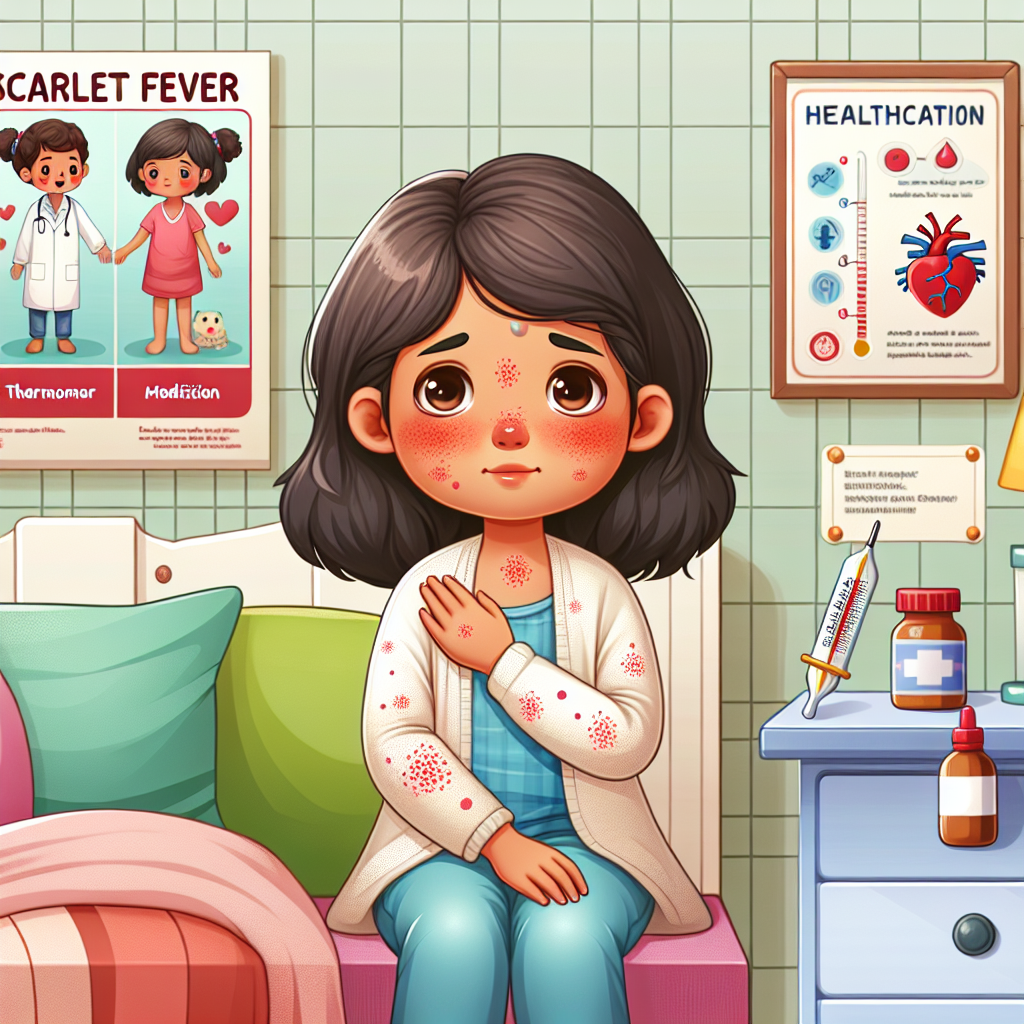
Scarlet fever, once considered a disease of the past, is making a concerning comeback, primarily affecting children. As a guardian or parent, it’s crucial to stay informed about this ailment, recognize the early signs, and take necessary precautions to safeguard your child’s health. In this comprehensive guide, we delve into the symptoms, causes, and prevention strategies surrounding the alarming rise in scarlet fever.
## Understanding Scarlet Fever
Scarlet fever is a contagious infection caused by the same bacteria responsible for strep throat: Group A Streptococcus. Historically known for its severe outbreaks, modern medicine has greatly reduced its fatality, yet the recent uptick in cases calls for heightened awareness.
### What Causes Scarlet Fever?
The culprit behind scarlet fever is the release of a toxin by the Group A Streptococcus bacteria. This toxin results in the classic scarlatiniform rash associated with the disease. If untreated, it can lead to severe complications like rheumatic fever or kidney issues.
### Transmission of Scarlet Fever
Scarlet fever primarily spreads through:
– Respiratory droplets: When an infected person coughs or sneezes, they release droplets that may infect others.
– Direct contact: Touching the sores on the skin of a person with a strep skin infection can also transmit the bacteria.
– Shared items: Sharing utensils, towels, or clothes with an infected person can be risky.
## Recognizing the Symptoms
Identifying scarlet fever early can make a significant difference in its management and prevention of complications.
### Key Signs to Watch For
Symptoms of scarlet fever typically appear a few days after infection and include:
### When to See a Doctor
If you observe these symptoms, particularly the rash, accompanied by a high fever or sore throat, it’s essential to consult a healthcare provider promptly. Early diagnosis and treatment can prevent the spread and complications associated with the condition.
## Prevention Strategies
Preventing the spread of scarlet fever involves both individual practices and public health measures. Here are some effective strategies:
### Personal Hygiene Practices
Maintaining good hygiene is the first line of defense against scarlet fever.
### Vaccination and Medical Interventions
While there is no vaccine for scarlet fever, vaccines against complications like influenza can help.
– **Vaccination**: Ensure your child’s vaccinations are up-to-date to prevent secondary infections.
– **Antibiotics**: Early diagnosis followed by a prescribed course of antibiotics usually results in complete recovery.
### Community and School Guidelines
Public health authorities often implement strategies to control outbreaks in community settings like schools.
## Treating Scarlet Fever
Thankfully, with appropriate treatment, scarlet fever can be managed effectively.
### Antibiotic Treatment
Physicians generally prescribe antibiotics, such as penicillin or amoxicillin, to clear the infection. It’s critical to complete the entire medication course to prevent recurrence or complications.
### Home Comfort Measures
Alongside antibiotics, several home care strategies can alleviate symptoms:
## Conclusion
The recent rise in scarlet fever among children is indeed alarming, but with informed vigilance and proactive measures, its impact can be minimized. By recognizing the symptoms early, promoting hygiene, and consulting healthcare providers promptly, parents and guardians can protect their children effectively. Awareness and education remain key components in combating this infectious disease and ensuring that history does not repeat itself in more severe forms.
For ongoing updates and information, stay connected with reputable health organizations and regularly consult with your child’s healthcare professional. Be proactive, be informed, and help curtail the spread of scarlet fever among children.