The Political Landscape in Costa Rica
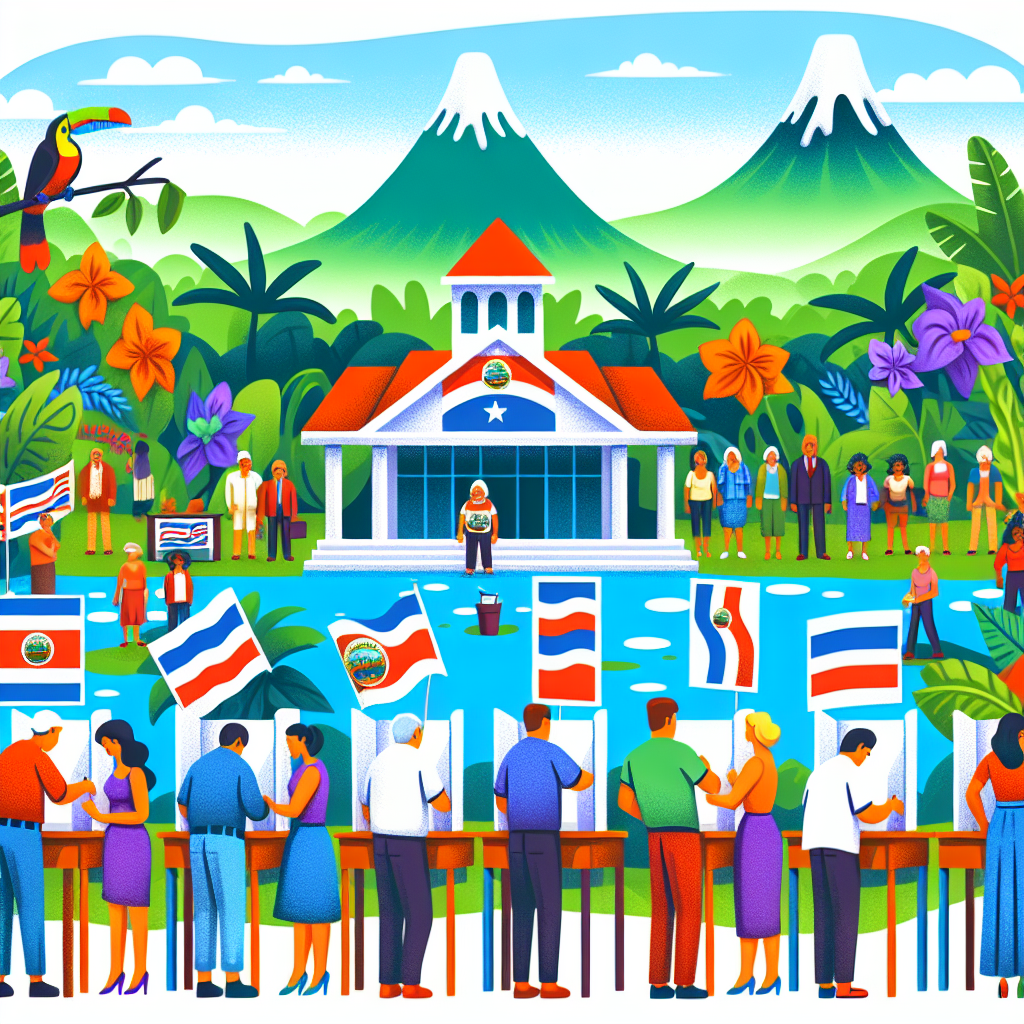
The upcoming presidential election in Costa Rica brings pivotal questions to the forefront, focusing on whether the country’s policies should remain steadfast or embrace change. This election is not merely a choice between candidates; it embodies the essence of Costa Rican future insights.
Historical Context
Understanding Costa Rica’s political history is essential for grasping the dynamics at play in this election. The nation has been marked by decades of democratic traditions, civil rights advancements, and international environmental leadership, setting the stage for what voters are looking to continue or reform.
- Long-standing democratic stability
- Environmental policies as a global benchmark
- An economy transitioning towards sustainability
Current Political Climate
The current administration has faced both praise and criticism, impacting public opinion. As Costa Ricans prepare to vote, the climate addresses various concerns, including governmental transparency, economic growth, and social justice, with voters seeking clarity on their path forward.
- Public demand for increased government accountability
- A push for economic diversification
- Ongoing social justice and equality movements
Key Election Issues
The primary issues dominating the electoral discourse encompass economic policy, social reform, and environmental sustainability, reflecting Costa Rica’s aspirations for its national and global identity.
Economic Strategies
- Proposals for strengthening the tourism sector
- Debates over tax reforms and fiscal policy
- Calls for enhancing technology and innovation
Social and Environmental Policies
- Initiatives aimed at reducing inequality
- Commitment to renewable energy goals
- Plans for bolstering public healthcare and education