
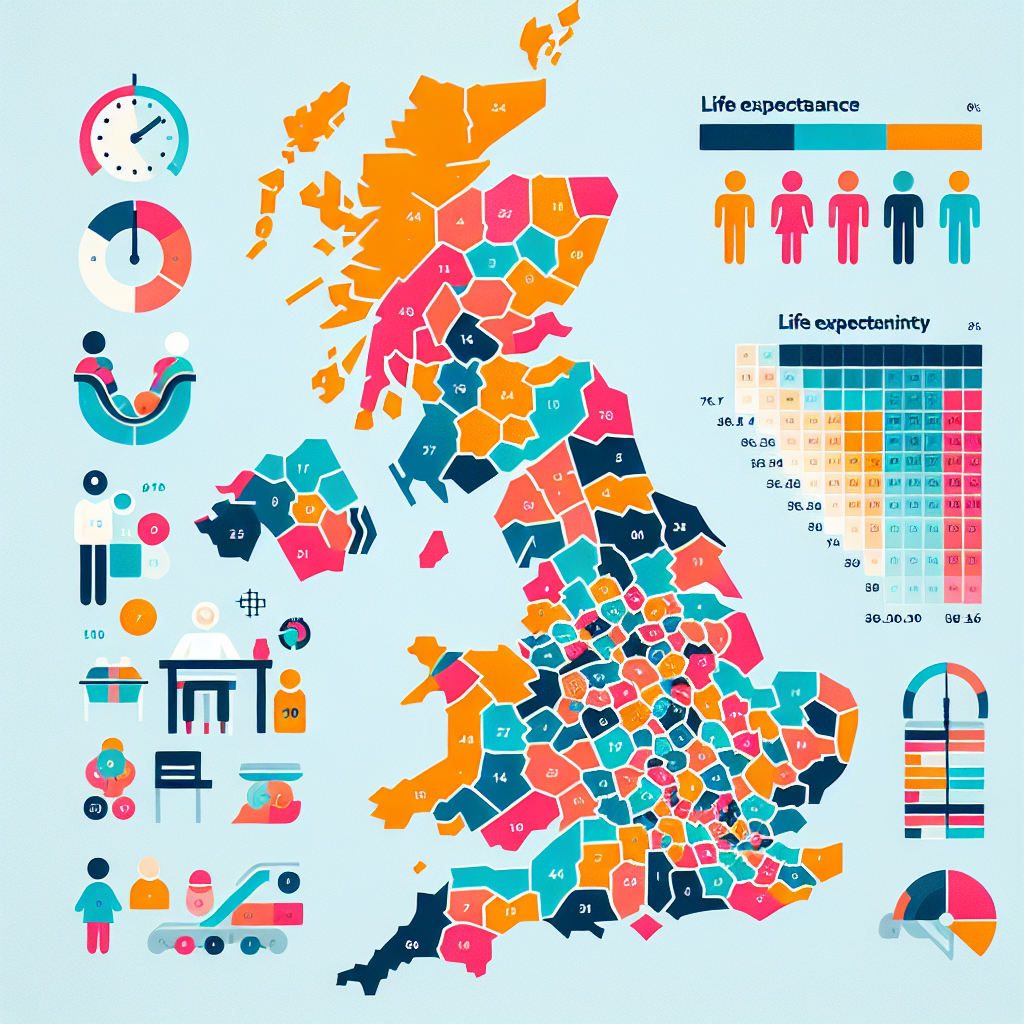
Life expectancy, a critical measure of a nation’s health, reflects the socio-economic, environmental, and healthcare factors influencing a population. In the UK, life expectancy varies significantly across different regions, shining a light on the disparities and opportunities necessary for improvement. This blog post explores the latest insights on the UK’s life expectancy statistics, highlighting the longest and shortest living areas, and discussing the reasons behind these variations.
## Understanding Life Expectancy
### What is Life Expectancy?
Life expectancy refers to the average number of years a person is expected to live, based on the demographic factors of the particular region or group. It acts as an indicator of public health, reflecting the quality of healthcare systems, economic status, lifestyle choices, and environmental factors.
### Why Focus on Life Expectancy?
Understanding life expectancy is crucial for:
– Evaluating public health policies and strategies
– Identifying social and economic inequalities
– Guiding allocation of resources toward health improvement initiatives
– Shaping policy and development goals for healthier futures
## UK Life Expectancy: An Overview
### National Averages
The UK has seen a remarkable increase in life expectancy over the past decades. As of the most recent statistics:
– For men, the average life expectancy is approximately 79 years.
– For women, the average life expectancy is slightly higher, at around 83 years.
This gap often reflects biological differences and socio-cultural norms influencing lifestyle behaviors and healthcare access.
### Historical Context
The trends in UK’s life expectancy have evolved due to:
– Advances in healthcare and disease prevention
– Better living conditions and awareness of healthy lifestyles
– Economic improvements and social safety nets
## Longest Living Areas in the UK
### Regions with High Life Expectancy
Several regions in the UK boast an impressive life expectancy average. Notably:
#### **1. South East England**
Residents in areas like Oxfordshire and Surrey enjoy a longer life span due to:
– Higher economic prosperity and employment rates
– Better access to healthcare services and professionals
– A clean and green environment encouraging a healthy lifestyle
#### **2. South West England**
Known for its picturesque landscapes, this region offers:
– Healthy, active lifestyles facilitated by nature reserves and parks
– A robust community and social engagement culture
– High standard public health initiatives aimed at disease prevention and wellness
### Factors Influencing Longevity
The longevity in these areas is strongly linked to:
– Socio-economic conditions: Higher income levels and educational attainment
– Health Infrastructure: Presence of world-class medical facilities and rapid access to specialists
– Environment: Clean air, reduced pollution levels, and outdoor recreation
## Shortest Living Areas in the UK
### Regions with Low Life Expectancy
In stark contrast, certain areas are grappling with lower life expectancy levels. Prominent among these are:
#### **1. Scotland**
Some parts of Scotland, especially urban centers, show discrepancies due to:
– Poor lifestyle habits: Higher rates of smoking and alcohol consumption
– Economic deprivation: High unemployment and economic instability
– Access to healthcare: Disparities in service quality and availability
#### **2. Northern Ireland**
Contributing factors in some areas include:
– Socio-economic challenges rooted in historical conflicts
– Higher prevalence of cardiovascular diseases and obesity
– Lack of robust healthcare infrastructure in rural zones
### Causes of Lower Life Expectancy
Several intertwined factors contribute to these disparities:
– Economic Inequality: Varying income and job opportunities affect living standards
– Healthcare Access: Geographic and financial barriers in obtaining quality care
– Environmental Conditions: Higher pollution and less availability of natural spaces
– Lifestyle Choices: Poor diet, sedentary routines, and substance abuse
## Addressing Life Expectancy Disparities
### Strategies for Improvement
Closing the life expectancy gap requires a multi-faceted approach:
– Investment in healthcare to enhance access and quality in underserved regions
– Economic Development Programs aimed at creating jobs and improving education
– Health Education: Campaigns focused on smoking cessation, healthy eating, and exercise
– Environmental initiatives to improve clean air and green space access
## Conclusion
The analysis of life expectancy across the UK reveals a complex web of socio-economic factors, healthcare access, lifestyle choices, and environmental conditions. Addressing these diverse influencing factors is key to bridging the gap between regions, ultimately ensuring that every citizen, regardless of where they live, has the opportunity to lead a long, healthy, and fulfilling life. Through strategic investments and policies, the goal of equal life expectancy across the UK can become a tangible reality, enhancing the overall quality of life for future generations.