
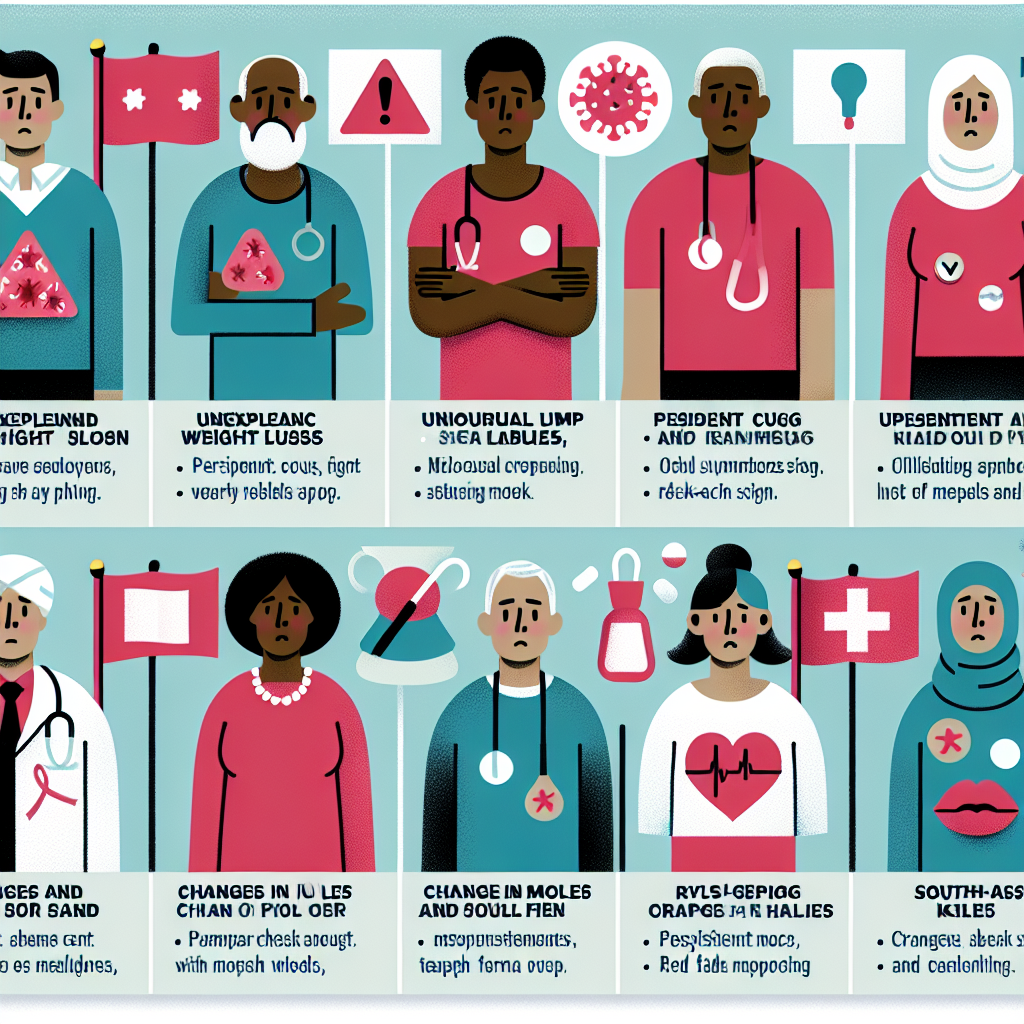
In today’s fast-paced world, it’s easy to overlook subtle health changes as we focus on day-to-day responsibilities. However, ignoring these changes can sometimes lead to serious consequences, particularly when it comes to cancer. Early detection is often the key to successful treatment, and recognizing early warning signs can make all the difference. In this blog post, we’ll explore critical cancer warning signs that should never be ignored.
## Understanding the Importance of Early Detection
Cancer is a complex disease with numerous types, each presenting its own set of challenges. While some cancers are aggressive and fast-growing, others develop slowly over many years. Early detection through awareness of warning signs and routine screenings has the potential to save lives by catching cancer in its more treatable stages. Early detection increases the possibility of less complicated treatments and can significantly improve the prognosis.
### **Risk Factors to Consider**
Before diving into the warning signs, let’s address some **common risk factors** that can increase your likelihood of developing cancer:
– **Age**: Cancer incidence generally increases with age.
– **Lifestyle Choices**: Smoking, alcohol consumption, diet, and physical inactivity.
– **Family History**: A familial link to certain cancers.
– **Environmental Factors**: Exposure to harmful substances, such as chemicals or radiation.
**Monitoring these risk factors and understanding your own health profile plays a pivotal role in early cancer detection.**
## Common Cancer Warning Signs
It’s crucial to listen to your body and act swiftly when you notice something unusual. Below are some of the **common signs** that might suggest the presence of cancer.
### **1. Unexplained Weight Loss**
One of the earliest and most noticeable signs can be sudden, unexplained weight loss. If you experience a loss of **10 pounds or more** without any alteration in diet or exercise routines, it could be indicative of an underlying medical condition, including:
– **Cancers of the Esophagus**
– **Pancreatic Cancer**
– **Lung Cancer**
### **2. Persistent Fatigue**
Feelings of exhaustion that don’t improve with rest can be symptomatic of several cancer types, such as:
– **Leukemia**
– **Colon Cancer**
– **Stomach Cancer**
Persistent fatigue might also be accompanied by other symptoms, so it’s essential to consult with a healthcare provider for a thorough evaluation.
### **3. **Unusual Lumps or Swellings**
Unexplained lumps, particularly in the breast, testicles, or lymph nodes, can be a warning sign for cancers such as:
– **Breast Cancer**
– **Testicular Cancer**
– **Lymphoma**
Never overlook an unusual lump, especially if it persists or grows over time. Early imaging tests and biopsy can help determine the nature of the lump accurately.
## Specific Cancer Warning Signs
Some cancers present very specific symptoms that should not be ignored.
### **4. Skin Changes**
Skin cancers such as melanoma can be detected early with vigilant observation. Look for:
New moles, or changes in existing moles (using the ABCDE rule: Asymmetry, Border, Color, Diameter, Evolving)
Itching or bleeding sores
### **5. Changes in Bowel or Bladder Habits**
Alterations in your normal routine can point to gastrointestinal or urinary tract issues, warranting a closer look at:
– **Blood in the stool or urine**
– **Prolonged diarrhea or constipation**
These symptoms might indicate colon, bladder, or prostate cancers.
### **6. Persistent Cough or Hoarseness**
A lasting cough or changes in your voice should prompt investigation for:
– **Lung Cancer**
– **Throat Cancer**
These symptoms can often mimic less severe conditions like a cold or allergies, but persistence requires professional evaluation.
## When to Consult a Healthcare Professional
**Trust your instincts**. You are the best advocate for your own health. If you experience sudden changes in your health or any combination of the symptoms listed above, don’t hesitate to consult your healthcare provider sooner rather than later. A timely consultation can help rule out or confirm a cancer diagnosis, enabling early intervention and management.
### **What to Expect During a Medical Consultation**
Your healthcare provider will likely start with:
– **A detailed medical history review**
– **Physical examination**
– **Screening tests specific to the exhibiting symptoms**
Further diagnostic tests may be recommended based on these initial findings.
## How to Be Proactive About Cancer Prevention
While recognizing warning signs is critical, adopting a proactive approach can further protect your health. Consider the following tips:
– **Engage in regular health screenings**: Routine screenings such as mammograms, colonoscopies, and Pap tests can detect cancers before symptoms develop.
– **Adopt a balanced lifestyle**: A nutritious diet, regular exercise, and avoiding tobacco can lower cancer risk significantly.
– **Stay informed**: Knowledge about family medical history and genetic testing availability can help assess personal risk levels.
## Wrap-Up: The Role of Awareness
Awareness and early detection are your best allies in the fight against cancer. While experiencing one or more warning signs doesn’t necessarily mean you have cancer, it’s essential to act responsibly when confronted with persistent and unexplained health changes. Remember, **being proactive and informed** not only helps you catch potential problems early but also paves the way for a healthier future.
Early intervention saves lives. Spread the word, educate yourself and others, and don’t hesitate to seek professional advice when in doubt. Your health is your wealth, and a vigilant approach will help safeguard it.