
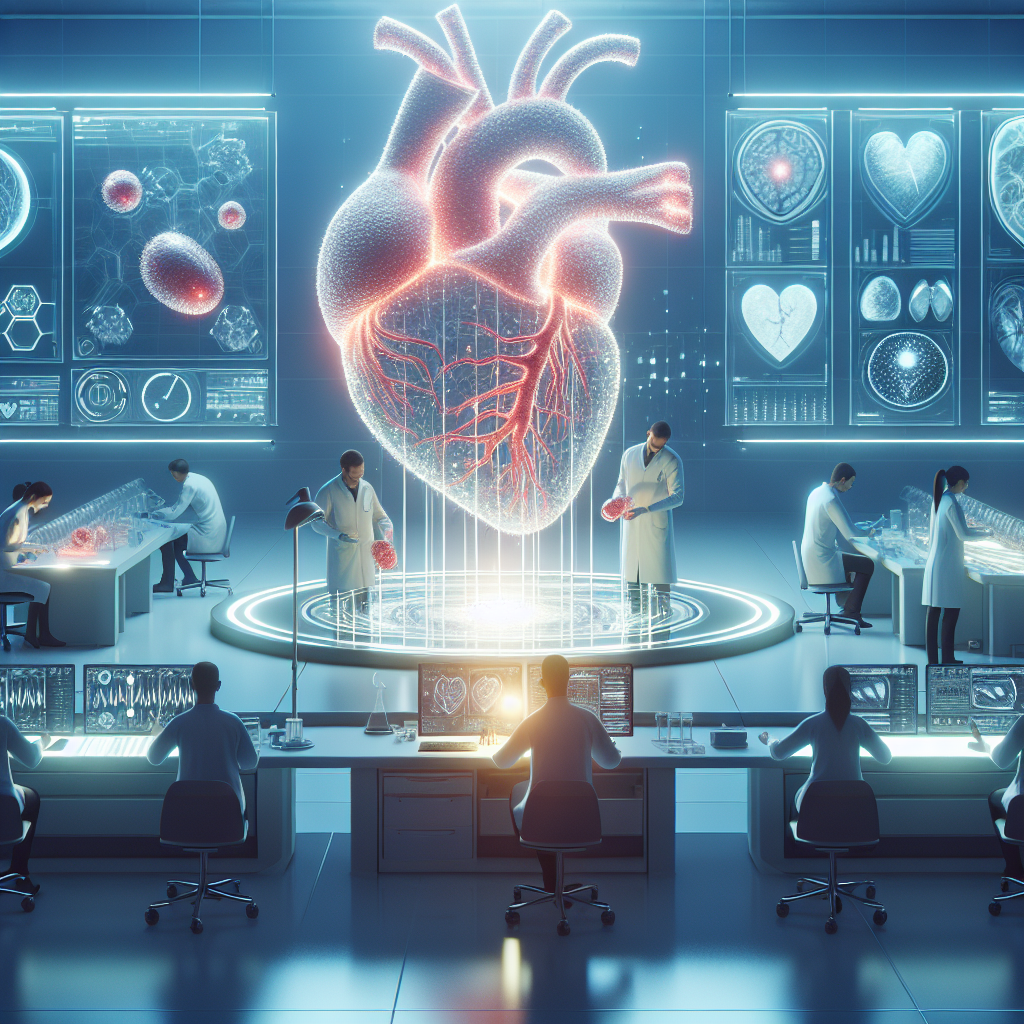
Innovative Stem Cell Muscle Patch Promises Hope for Heart Failure Patients
Understanding Heart Failure
What is Heart Failure?
Heart failure, commonly referred to as congestive heart failure, is a chronic condition where the heart’s ability to pump blood effectively is impaired. This leads to inadequate blood flow to meet the body’s needs, causing symptoms such as fatigue, shortness of breath, and swelling in the legs and ankles.
The main causes of heart failure include:
- Coronary artery disease
- High blood pressure
- Cardiomyopathy
- Heart valve problems
The Promise of Stem Cell Therapy
What are Stem Cells?
Stem cells are unique cells with the ability to develop into various cell types in the body. Their regenerative properties have made them a focus of interest in the field of medicine, particularly for repairing damaged tissues.
Stem Cell Muscle Patch: A Revolutionary Approach
The concept of a stem cell muscle patch involves using stem cells to create a living patch designed to repair the heart muscle. This patch is engineered to integrate with existing heart tissue, encouraging regeneration and improving heart function.
The potential benefits of the muscle patch include:
- Restoration of damaged heart tissue
- Improved heart function and blood flow
- Reduction of heart failure symptoms
Research and Development
Progress in Science
Recent advancements in stem cell technology and bioengineering have accelerated the development of the muscle patch. Researchers have successfully demonstrated its efficacy in animal studies, paving the way for human trials.
Key breakthroughs have been reported in:
- Identifying the optimal type of stem cells for heart repair
- Designing scaffolds that support cell growth and integration
- Ensuring long-term viability and functionality of the patch
Clinical Trials and Human Applications
The transition from lab to clinic is critical. Clinical trials are essential to determine the safety and effectiveness of the patch in human patients. Initial trials are designed to evaluate:
- Biocompatibility of the patch with human tissue
- The patch’s ability to improve heart function in heart failure patients
- Potential side effects and long-term outcomes
Potential Impact on Heart Failure Treatment
Transformative Changes
If proven successful, the stem cell muscle patch could transform heart failure treatment by offering a solution that targets the root cause—heart muscle damage.
Long-term benefits could include:
- Significant reduction in the need for heart transplants
- Lower dependency on long-term medication
- Improved overall survival rates and quality of life for patients
Challenges and Considerations
While the potential is enormous, several challenges must be addressed before this therapy becomes widely available. These include:
- Scalability of production for widespread use
- Cost-effectiveness and accessibility for patients
- Regulatory approvals and ethical considerations
The Future of Cardiac Regenerative Medicine
Advancements Beyond Heart Patches
The development of the stem cell muscle patch is just one aspect of a broader movement towards cardiac regenerative medicine. Other innovations being explored involve genetic engineering, 3D tissue printing, and bioartificial hearts.
The future holds promise with these advancements:
- Personalized medicine tailored to individual patient needs
- Increased focus on preventive and minimally invasive strategies
- Collaborative efforts across disciplines to maximize therapeutic potential
“`