
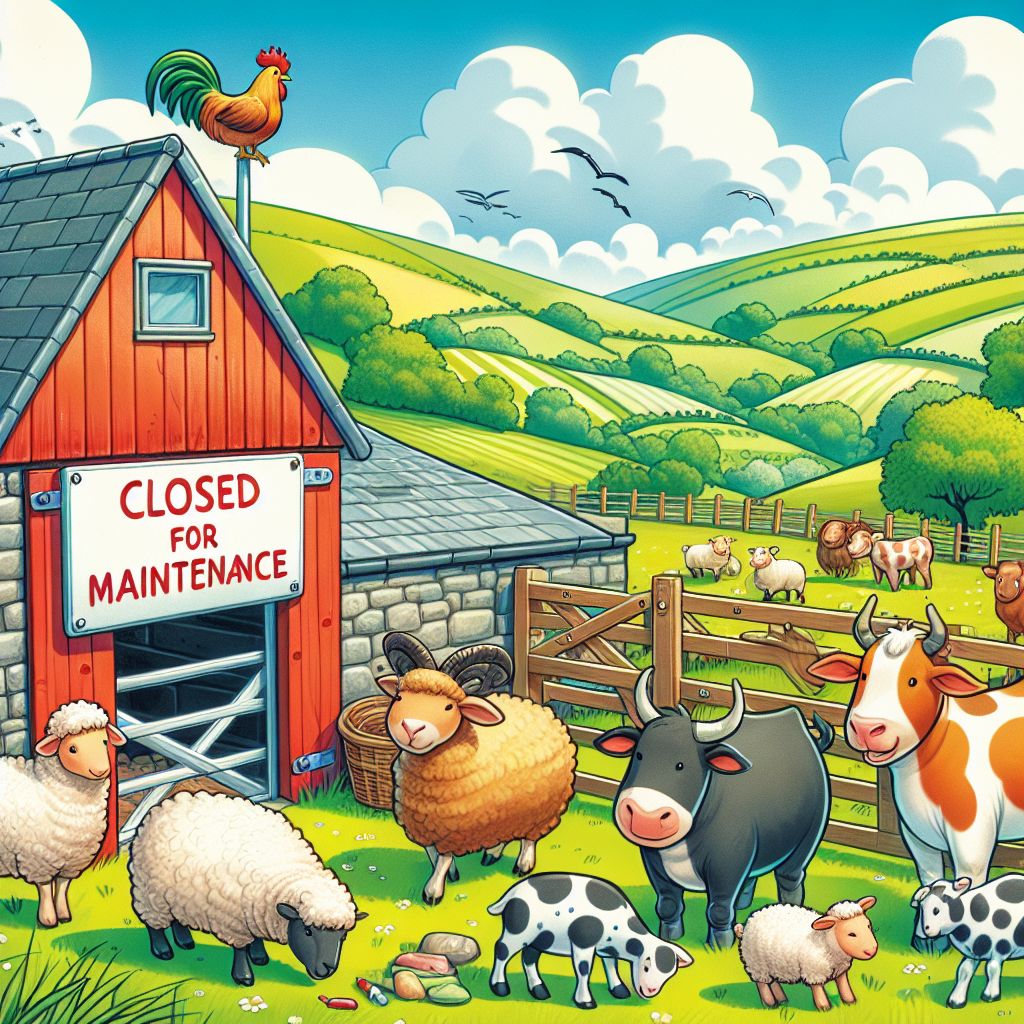
**A Day of Fun Turns Troublesome**
A trip to the local petting farm should have been full of fun, laughter, and treasured memories. These trips, often taken by families, school groups, or community organizations, offer a hands-on learning experience about animals and farm life. Unfortunately, a recent trip has come under scrutiny following widespread illnesses that led several participants to seek medical attention. This incident has raised questions about health and safety standards at petting farms.
## The Incident: An Unexpected Outcome
What initially started as an enjoyable day out swiftly transformed into a public health concern. Participants, many of whom were children, began showing symptoms of illness shortly after their visit. This blog post aims to cast a light on what might have gone wrong and what steps can be taken to ensure the safety of such excursions in the future.
### Recognizing the Symptoms
Within 48 hours post-visit, attendees started feeling unwell. Although symptoms varied, some common indicators include:
These symptoms led several individuals, particularly vulnerable populations like young children and the elderly, to require hospitalization.
## Investigating the Causes: What Might Have Happened?
With both health officials and farm management involved, a comprehensive investigation is underway to understand the root of the widespread illnesses. Considerations are being made about various potential causes:
### Contaminated Surfaces
Petting farms inherently have numerous surfaces that can harbor bacteria, and without stringent cleanliness protocols, germs can quickly spread. High-contact areas include:
### Animal Interactions
While direct contact with farm animals is a delightful experience, it’s crucial to remember that animals can carry zoonotic diseases, which are transmissible from animals to humans. Common pathogens include E. coli and Salmonella, both of which are significant health risks.
### Food and Beverage Facilities
Inadequate hygiene standards or improper food handling at farm cafes and snack bars can also contribute to illness outbreaks during farm visits.
## Petting Farm Safety: Proactive Measures to Prevent Illnesses
If moments of joy are to be preserved on these delightful day trips, implementing safety measures is vital. Here are actionable steps that petting farms and visitors can take to safeguard health:
### Steps for Petting Farms
### Visitor Responsibilities
Li>Hand Hygiene – Visitors should wash hands thoroughly after petting animals and before eating, using handwashing stations provided.
## What to Do If You Feel Unwell After a Farm Visit?
Awareness is crucial. If you develop symptoms similar to those mentioned, it’s vital to seek medical attention immediately. Provide your healthcare provider with details about your trip, especially if the symptoms align with foodborne or zoonotic infections.
**Further Steps:**
## Moving Forward: Ensuring Fun and Safe Petting Farm Experiences
**Enhancing Trust and Confidence**
The key to enjoyable and safe petting farm trips is rooted in community collaboration. Both petting farm operators and the public must remain committed to health and safety practices to prevent similar incidents. Transparent communication, diligent sanitation procedures, and public cooperation can ensure these cherished outings continue safely.
**Conclusion: A Cautionary Tale**
While the incident that led to multiple hospitalizations following a petting farm trip is unfortunate, it serves as an essential reminder of the need for vigilance. With proactive measures, educational outreach, and a collaborative approach between farms, health officials, and patrons, we can enjoy the unique charm of these outings without compromising health.
Petting farms are an invaluable source of education and joy, encouraging a connection with nature and animals that few other activities can match. By learning from past events and committing to improved practices, we can aim for memorable trips that are safe and disease-free.