
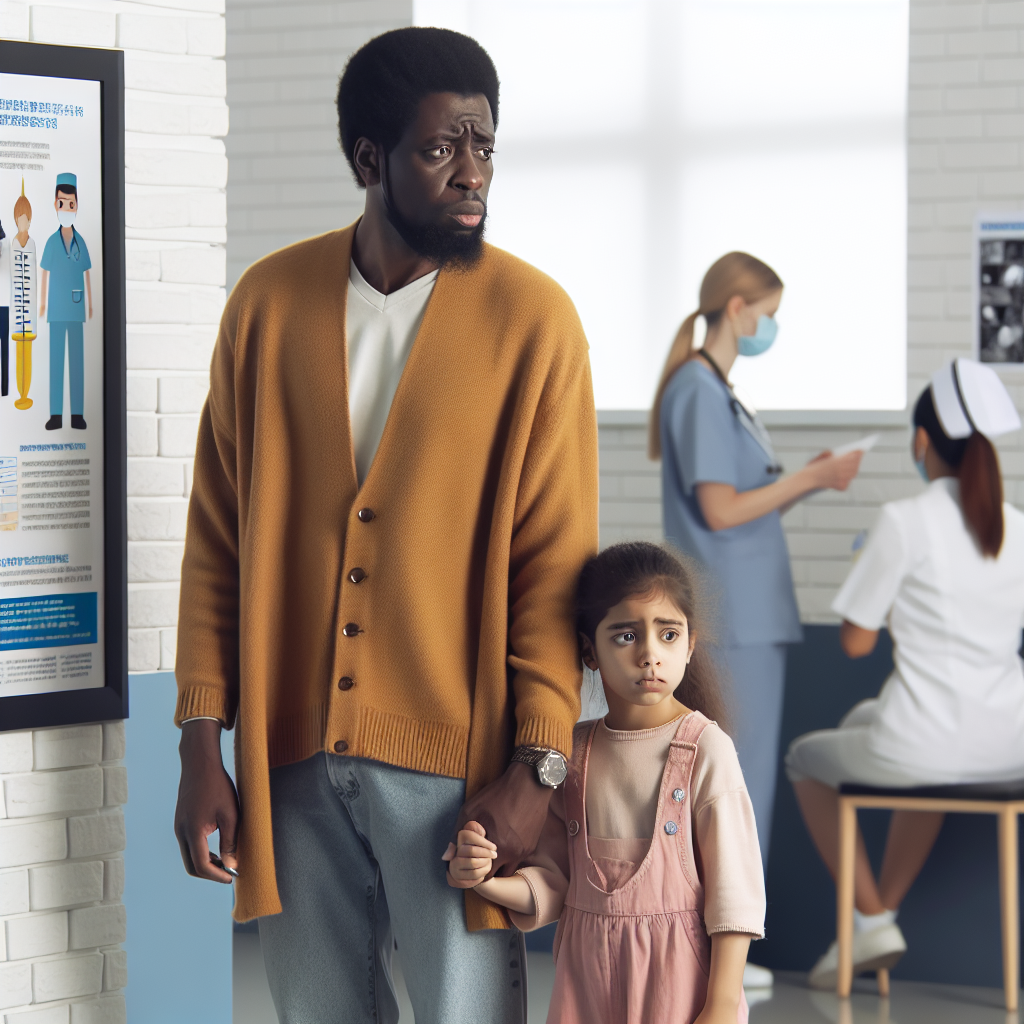
Measles is not just a disease from the past; it remains a significant concern in our modern world, affecting children and adults alike. As global travel and urban living increase, so does the risk of exposure to this highly contagious virus. With the resurgence of measles in certain areas, understanding how to prevent its spread is crucial for maintaining public health and safeguarding our loved ones. Here, we delve into essential tips for residents and families to prevent measles.
## Understanding Measles
### What is Measles?
Measles is a viral infection caused by the measles virus, a member of the paramyxovirus family. It primarily affects the respiratory tract and is known for its distinctive rash.
### Symptoms of Measles
While the initial symptoms of measles can mimic other illnesses, they become more distinct over time. Early signs include:
– Fever
– Cough
– Runny nose
– Red, watery eyes
As the virus progresses, one may notice:
– Koplik’s spots (tiny white spots inside the mouth)
– Red rash that starts on the face and spreads to the rest of the body
It is essential to recognize these symptoms promptly for early medical intervention.
## The Importance of Vaccination
### Why Vaccines Matter
Vaccination remains the most effective method to prevent measles. The vaccine is both safe and highly effective, drastically reducing the incidence of the disease worldwide. Here’s why vaccines are pivotal:
– High Effectiveness: The measles vaccine is about 93% effective after one dose and 97% effective after two doses.
– Community Immunity: Widespread vaccination helps build community immunity, protecting those who cannot be vaccinated, such as infants and individuals with specific medical conditions.
### Recommended Vaccination Schedule
Health organizations recommend the following schedule to ensure optimal protection:
– First Dose: Between 12 to 15 months of age
– Second Dose: Between 4 to 6 years of age
For adults who are unvaccinated or unsure of their vaccination status, consulting with a healthcare provider is crucial to determining if a catch-up vaccination is necessary.
## Steps to Protect Your Family
### Maintain Up-to-Date Vaccinations
Ensure that all family members, especially children, are up-to-date with their vaccinations. Verify your vaccination status with your healthcare provider, and schedule any necessary appointments to catch up on missed vaccines.
### Encourage Hygiene Practices
Encouraging good hygiene plays an instrumental role in preventing the spread of measles. Key practices include:
### Limit Exposure to Infected Individuals
Being aware of outbreaks and limiting exposure to potentially infected individuals is crucial. During outbreaks, heed public health recommendations, which may include avoiding certain public spaces or postponing travel to affected areas.
### Educate Your Family
Understanding the risks and preventive measures of measles is essential for every family member. Equip your loved ones with knowledge on recognizing symptoms and the importance of vaccination.
## Community Actions to Prevent Measles
### Support Public Health Initiatives
Community involvement is vital in combating measles. Support and participate in local public health initiatives that aim to promote vaccination and awareness. Raising community awareness can significantly enhance disease prevention efforts.
### Advocate for School and Workplace Policies
Schools and workplaces can foster an environment that prioritizes health by enforcing vaccination requirements and facilitating health education programs. Encourage policies that support vaccination and address concerns surrounding vaccination hesitancy.
### Monitor Travel Advisories
Given measles’s ability to cross geographical boundaries, remain informed about travel advisories related to outbreaks. Consider postponing non-essential travel to highly affected regions and ensure vaccinations are up to date prior to travel.
## The Consequences of Measles
### Health Complications
While many recover from measles without complications, the disease can lead to severe health issues, including:
– Pneumonia
– Encephalitis (brain swelling)
– Subacute sclerosing panencephalitis (SSPE)
These complications highlight the importance of prevention through vigilance and immunization.
### Economic and Social Impact
Beyond health, measles can impact family finances and place a burden on healthcare systems. Hospitalizations, lost time at work, and the need for intensive care can have significant economic consequences. Additionally, outbreaks can lead to widespread societal disruptions.
## Conclusion
Preventing measles is a shared responsibility that starts with individual and family actions but requires community and global effort. By staying informed, vaccinated, and vigilant, we can protect ourselves, our families, and our communities from the resurgence of this dangerous virus. Educate those around you, promote vaccination, and support those working tirelessly to contain this preventable disease. Together, we can ensure a healthier future for all.