
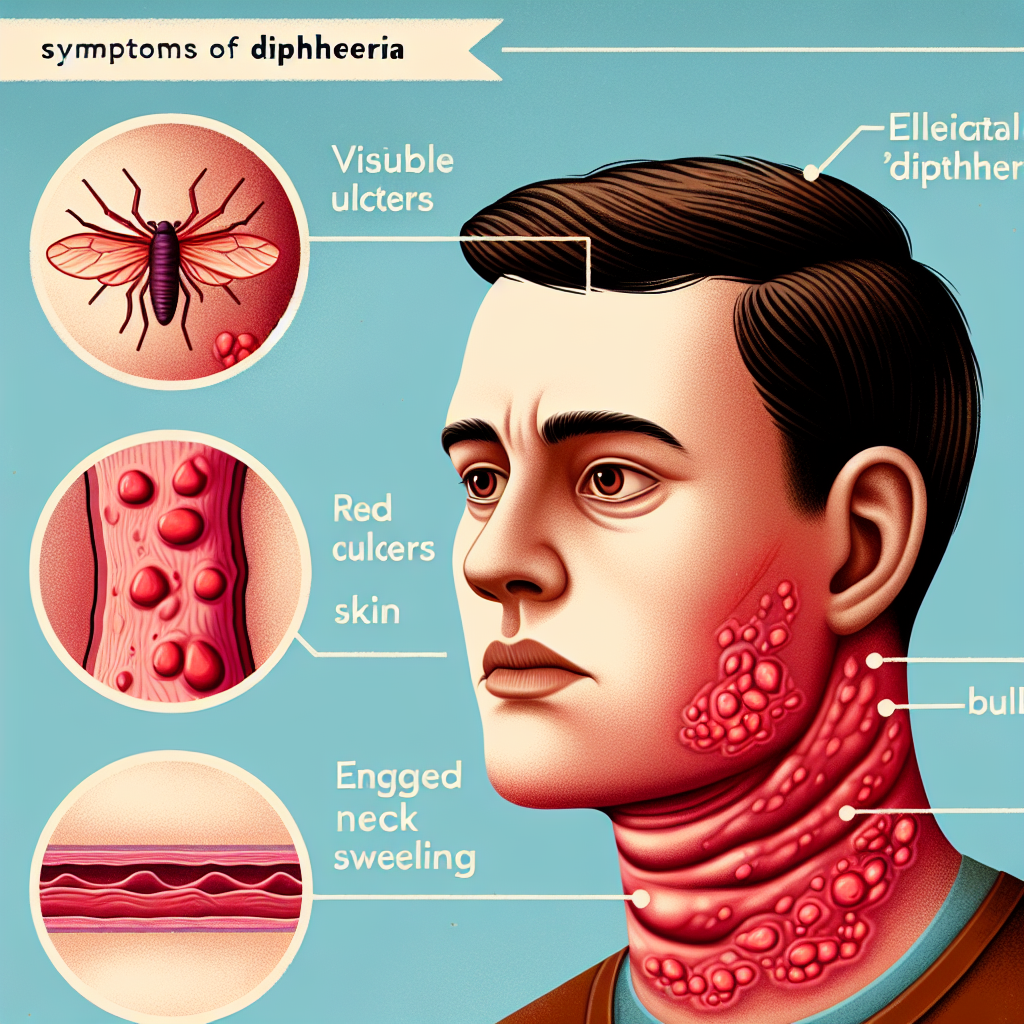
In recent months, Europe has witnessed a concerning increase in diphtheria cases, raising alarms across the health sector and among travelers. A disease often overshadowed by more prominent concerns like influenza and COVID-19, diphtheria is making a startling comeback. Understanding its symptoms, prevention, and global impact is crucial for safeguarding public health. This blog post delves into the resurgence of diphtheria in Europe and offers insights into recognizing its symptoms to better prepare travelers and residents alike.
## Understanding Diphtheria
### What is Diphtheria?
Diphtheria is a serious bacterial infection caused by *Corynebacterium diphtheriae*. Although it primarily affects the throat and upper airways, diphtheria can also lead to severe heart and nerve damage if untreated. The bacterium releases a potent toxin that leads to the characteristic symptoms associated with the illness.
### Transmission and Risk Factors
Diphtheria is highly contagious, typically spread through:
– **Respiratory droplets** from coughing or sneezing.
– **Direct contact** with an infected person’s lesions.
– **Contaminated objects** or surfaces, although less common.
Individuals who are unvaccinated or those with weakened immune systems are at a higher risk of contracting diphtheria. The disease can spread rapidly in crowded environments, a concern for densely populated European cities and popular travel destinations.
## Recognizing the Symptoms of Diphtheria
Early detection of diphtheria is vital for effective treatment and reducing the spread of the disease. Here are the predominant symptoms to watch for:
**1. A Thick, Grayish Coating in the Throat**
One of the hallmark symptoms is the presence of a thick, gray coating in the throat and tonsils. This membrane can obstruct breathing and swallowing.
**2. Sore Throat and Hoarseness**
A persistent sore throat, coupled with hoarseness, is an early sign that can often be misinterpreted as a common cold or strep throat.
**3. Swollen Neck, Also Known as ‘Bull Neck’**
Swollen neck lymph nodes and neck swelling give a characteristic appearance known as ‘bull neck.’
**4. Difficulty Breathing or Rapid Breathing**
As the bacteria spread and the toxin accumulates, it can lead to difficulty in breathing, necessitating immediate medical attention.
**5. Fever and Chills**
Although these are common symptoms of many illnesses, when combined with other diphtheria indicators, they can point to an infection.
**6. Fatigue and Weakness**
Diphtheria can lead to profound fatigue and muscle weakness, which can persist even after the primary symptoms subside.
## Why Are Diphtheria Cases Rising in European Destinations?
### Vaccine Hesitancy
– Decreased Vaccination Rates: A crucial factor is the shift in vaccination trends. With rising vaccine hesitancy fueled by misinformation, the number of unvaccinated individuals is climbing, creating pockets of vulnerability in many regions.
### Increased Travel and Migration
– Cross-border Movement: Europe sees a significant flow of travelers and migrants, contributing to the increased transmission of infectious diseases, including diphtheria.
### Public Health Awareness
– Low Public Awareness: The overshadowing of diphtheria by other infectious diseases has resulted in lower public vigilance, making people less likely to recognize symptoms and seek timely care.
## Prevention and Control Measures
### Vaccination
– **Immunization Programs:** The diphtheria vaccine is a highly effective preventive measure. Ensuring vaccinations are up-to-date for both children and adults is critical.
– **Booster Shots:** Regular booster shots are necessary for those who’ve previously been vaccinated, aiding in maintaining immunity.
### Public Health Campaigns
– Policy initiatives focusing on raising awareness about the symptoms and importance of vaccination can significantly reduce infection rates.
### Hygiene Practices
– Encourage better hygiene practices like regular handwashing and using disinfectants to minimize the risk of transmission, especially in public spaces.
## How to Protect Yourself While Traveling in Europe
For travelers planning a visit to Europe, these practical tips can help reduce the risk of contracting diphtheria:
– Verify Vaccination Status: Prior to travel, ensure your vaccinations are up-to-date, including boosters if necessary.
– Avoid Close Contact: Steer clear of crowded places where possible and maintain a safe distance from those exhibiting symptoms of respiratory illnesses.
– Practice Good Hygiene: Regular handwashing and the use of alcohol-based sanitizers can reduce the spread of infections.
– Stay Informed: Monitor travel advisories and updates regarding diphtheria outbreaks in your destination.
## Conclusion
As diphtheria cases rise in Europe, heightened awareness and proactive measures are imperative in curbing its spread. Recognizing the symptoms early, maintaining updated vaccinations, and practicing good hygiene can collectively safeguard both individuals and communities from this re-emerging threat. With concerted efforts from health authorities and the public, it is possible to manage and eventually reduce the incidence of diphtheria globally. For those traveling to Europe, a well-prepared journey entails more than just an itinerary; it includes being informed and cautious about the health challenges one might face. Stay safe, stay informed, and protect yourself from diphtheria.