
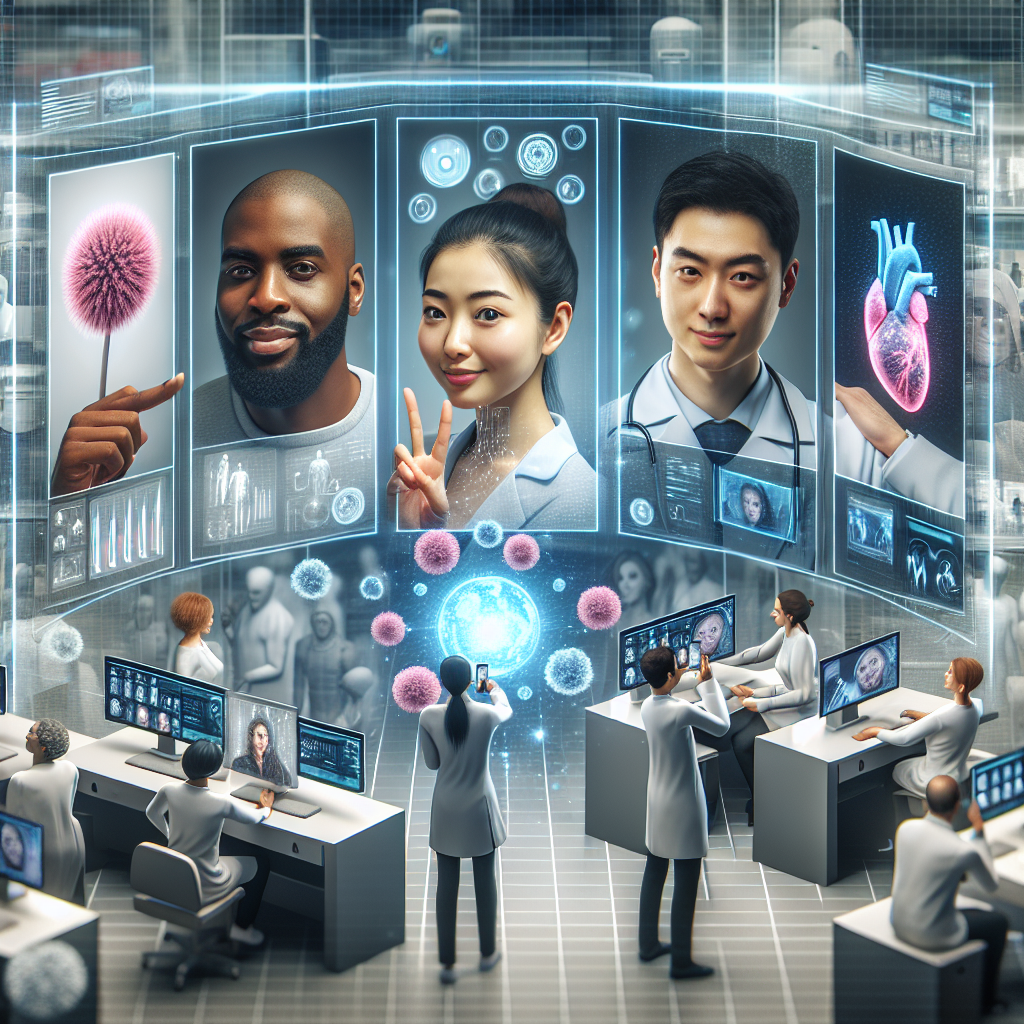
In an era where technology continually reshapes the medical landscape, a groundbreaking innovation emerges from an unexpected field: selfies. While selfies are mostly associated with social media and personal branding, recent research suggests that they could play a pivotal role in enhancing the accuracy of predicting cancer patient survival rates. This unexpected yet fascinating convergence of technology and healthcare might just pave the way for a new dimension of medical diagnostics.
## The Intersection of Technology and Healthcare
Technology has continually evolved to meet the needs of healthcare, improving diagnostics, treatments, and patient outcomes. Innovations such as 3D printing, artificial intelligence, and telemedicine have transformed the way doctors approach patient care. And now, even selfies are stepping into the spotlight.
### How Selfies Can Help in Healthcare
Selfies have been traditionally used for personal expression and social connection. However, researchers argue that they contain a multitude of data that can provide valuable insights into individual health conditions. The innovative use of selfies in medicine is predicated on these factors:
–
–
–
## Understanding the Science Behind Selfie-Based Predictions
Recent studies have explored the potential of using selfies to predict cancer patient survival rates. Researchers are leveraging facial recognition technology and artificial intelligence to analyze subtle changes in patients’ faces, which may signal disease progression or improvement.
### Key Findings from Recent Studies
1. **Imaging Technologies:** The same technologies used to enhance phone camera capabilities are now being applied to medical diagnostics. Algorithms can detect minute variations in skin tone and texture, which might indicate changes in a patient’s health status.
2. **Predicting Survival Rates:** By tracking these variations over time, researchers can assess which patients are responding well to treatment and predict survival rates. This innovative approach provides real-time, non-intrusive ways to monitor patient health.
3. **Impact on Treatment Strategies:** More accurate survival predictions enable healthcare providers to tailor treatments, allocate resources more effectively, and potentially increase a patient’s quality of life.
### Practical Implementation and Challenges
While the concept of using selfies for medical diagnostics is promising, several challenges must be addressed before widespread application.
–
–
–
## Conclusion: A New Dawn for Medical Innovations
The revolutionary use of selfies in predicting cancer patient survival rates is an exciting development in the intersection of technology and healthcare. It represents a radical shift in how medical professionals approach cancer prognoses and treatment optimization.
### Looking Forward: The Future of Selfies in Medicine
As research in this field continues to develop, there are endless possibilities for how selfies and similar technologies could be used in medicine. Future directions may include:
– **Expanding the Range of Diagnoses:** Exploring how these technologies might detect other diseases and conditions beyond cancer.
– **Developing Applications:** Researchers and developers are considering creating standalone applications that could allow patients to contribute their selfies to ongoing research or even receive preliminary reports.
– **Integration with Wearables:** Combining facial recognition technology with wearable devices for comprehensive health monitoring.
In conclusion, while there are challenges and ethical considerations to account for, the integration of selfies into medical diagnostics holds tremendous potential for improving patient care. By embracing such innovations, we move closer to a future where personalized medicine is attainable for all, transforming ordinary selfies into extraordinary tools for health and wellness.