
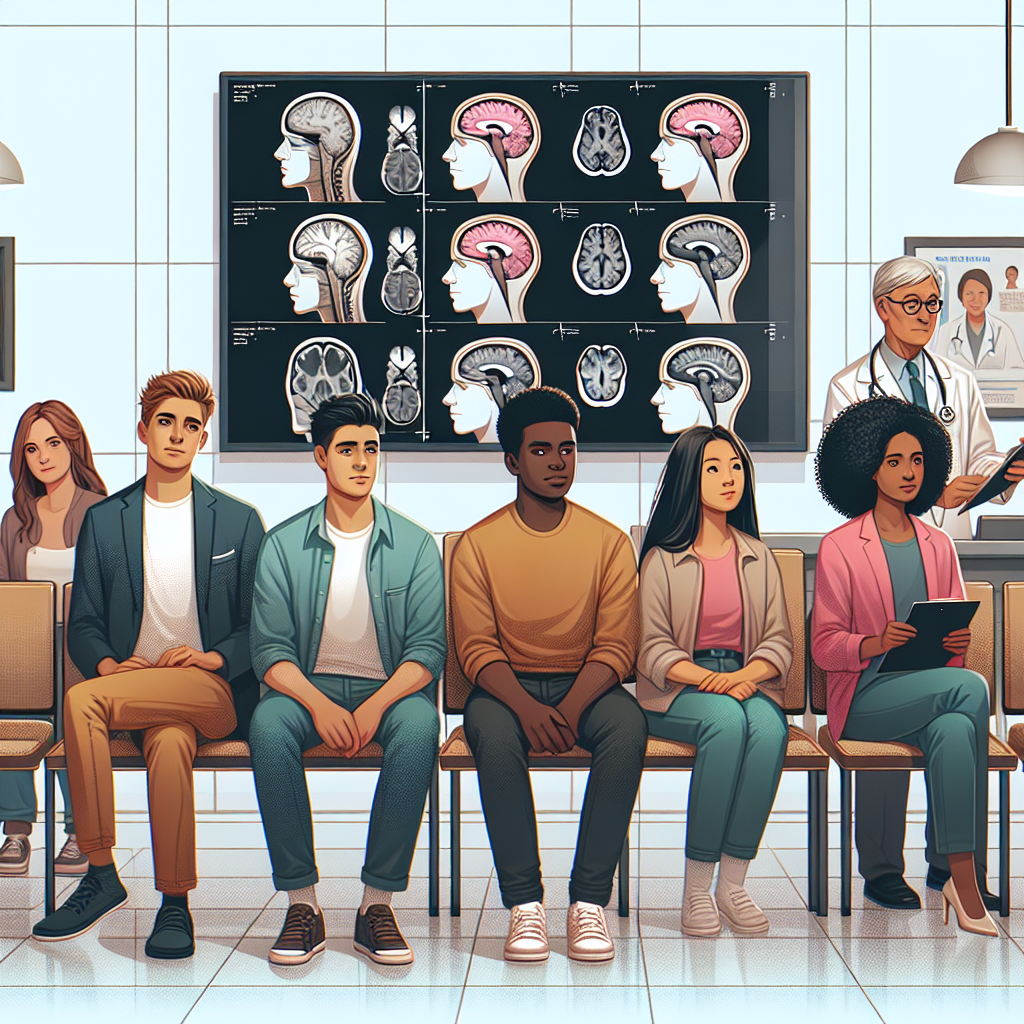
In recent years, alarming trends in the health landscape have emerged, one of which is the rising incidence of strokes among young adults. Traditionally, strokes have been considered a health concern primarily for the elderly, but statistics and studies are showing a worrying shift. This shift prompts an urgent examination of lifestyle, healthcare systems, and preventive measures to tackle the burgeoning health crisis.
## Understanding Stroke: What is Happening to Young Adults?
Strokes occur when the blood flow to a part of the brain is interrupted or reduced, preventing brain tissue from getting oxygen and nutrients. There are two types:
Ischemic Stroke:
Occurs when a blood vessel carrying blood to the brain is blocked by a blood clot.
Hemorrhagic Stroke:
Occurs when a blood vessel in the brain bursts, leading to bleeding in or around the brain.
**Common factors influencing increased stroke rates among young adults include:**
–
–
–
–
### Alarming Statistics: The Rising Rates
According to a study published in the Journal of the American Medical Association, there has been a significant increase in stroke hospitalizations among young adults since the 1990s. Research indicates that **strokes in adults aged 18-50 have increased by approximately 44%** over the past few decades. This rise not only increases mortality rates but also burdens healthcare systems, impacting economic productivity due to the premature loss of capable workforce members.
### Why Young Adults Are at Risk
The growing prevalence of high blood pressure, obesity, diabetes, and hyperlipidemia, previously conditions associated with older populations, has shown an alarming increase in younger demographics. Lifestyle changes, driven by dietary habits and sedentary patterns, and mental health challenges exacerbate these risk factors.
Frequent Causes of Strokes in Young Adults:
–
–
–
–
### Lifestyle Modifications and Preventative Measures
As the adage goes, “Prevention is better than cure.” Adjusting key lifestyle factors can significantly mitigate stroke risk among young populations. Here are actionable steps:
#### Prioritize Regular Health Screenings
Engage with healthcare professionals for regular blood pressure, cholesterol, and diabetes screenings. Early detection of cardiovascular risk factors forms the cornerstone of prevention.
#### Adopt a Health-conscious Diet
Opt for a balanced diet rich in fruits, vegetables, lean proteins, and whole grains. Reduce salt and sugar intake to help manage hypertension and reduce stroke risk.
#### Maintain an Active Lifestyle
Incorporate physical activity into daily routines. Engage in at least 150 minutes of moderate aerobic activity weekly. Regular exercise improves cardiovascular health and assists in maintaining a healthy weight.
#### Stress Management Techniques
Learning stress management techniques such as mindfulness, meditation, or yoga can assist in combatting the mental health implications on physical health.
#### Limit Alcohol and Avoid Smoking
Reduced alcohol consumption and smoking cessation are crucial. Both habits contribute significantly to stroke risks.
### Digital Health Interventions and Technology: A New Era of Stroke Prevention?
With the surge of health tech, wearable devices, and health apps, young adults have access to tools that monitor heart health and promote healthier lifestyles. These innovations can assist in the early detection of potential warning signs, empowering individuals to take proactive steps in seeking medical advice and averting potential stroke incidents.
Breathometer applications, Fitbit devices, or even simple health-check apps on smartphones can help track physical activity, heartbeat irregularities, and regimen adherence.
### The Role of Education and Public Health Campaigns
Education remains vital. Public health campaigns that address the dangers of high-risk lifestyles help to increase awareness and empower individuals to make informed health decisions. Schools, workplaces, and communities should be active fronts in advocating healthier living, which inevitably returns benefits in the long term by reducing stroke incidences.
## Supporting Young Stroke Survivors: Community and Recovery
Recovery from stroke can be daunting, especially for young adults who may face severe emotional, financial, and professional challenges. Comprehensive support systems are essential to facilitating their recovery journey and reintegration into society. Families, healthcare providers, and communities must ally to create empathetic environments to assist stroke survivors in their road to recovery.
### Final Thoughts: A Call to Action
Young adults’ rising stroke rates underscore a critical health crisis that requires immediate attention. Now is the time for proactive engagement from individuals, communities, and government entities to alleviate this growing burden. **Lifestyle changes, education, and technology** have pivotal roles to play in altering this worrying trend and promoting the health and well-being of young adults worldwide.
In taking these steps, we not only aim to reduce the incidence of strokes among young adults but also propel towards a healthier generational shift. A collective action today is a prescription for a thriving future tomorrow. The rising stroke rate among young adults indeed signals a health crisis, but it’s one we still have the power to combat.