
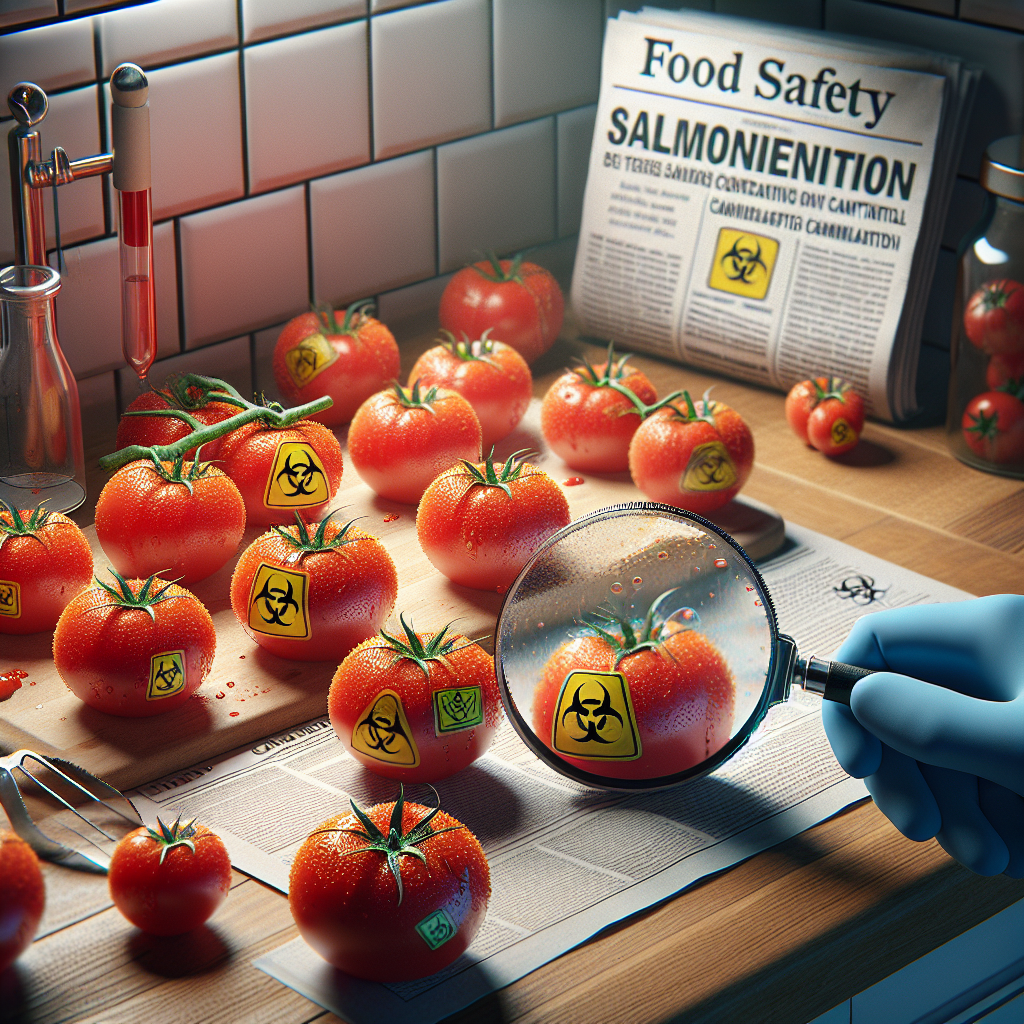
In a significant public health development, UK consumers have been **cautioned about a potential salmonella outbreak** linked to tomatoes. This has prompted a crucial alert for individuals and businesses alike, emphasizing the importance of understanding salmonella and its potential impact on health. This article delves into the details of the alert, the nature of salmonella, and how consumers can protect themselves and their families.
## Understanding Salmonella: What You Need to Know
Salmonella is a **bacterium commonly associated with foodborne illnesses**. While it is typically found in raw poultry, eggs, beef, and sometimes unwashed produce, it can also survive on other types of food, such as tomatoes. It’s essential for consumers to comprehend the risks associated with this bacterium:
### What is Salmonella?
Salmonella is a genus of bacteria that causes illnesses in humans and animals. These bacteria live in the intestinal tracts and are generally spread through consumption of contaminated food or water. Symptoms of salmonellosis, the infection caused by salmonella, include:
– Diarrhea
– Fever
– Abdominal cramps
– Vomiting
These symptoms usually manifest between 6 hours and 6 days after infection and can last from 4 to 7 days. In some cases, the infection can become severe, leading to hospitalization or even death, particularly among vulnerable populations like children, the elderly, and individuals with weakened immune systems.
### How Does Salmonella Affect Food Safety?
Food safety is a significant concern when it comes to salmonella contamination. The bacterium can be present on a myriad of food items, and even a minuscule quantity can contaminate food, posing severe health risks. **Proper handling, cooking, and sanitation** are paramount to preventing the spread of salmonella.
## The Current Situation: Tomatoes Under Scrutiny
In the wake of the recent alert, tomatoes have become the unexpected bearer of the salmonella threat. Authorities have traced a specific supply chain potentially linked to the contamination. Here’s what we know so far:
### Source of Contamination
While investigations are ongoing, the Food Standards Agency (FSA) suspects that the contamination may have originated in a processing facility that handles tomatoes. The precise point at which the contamination occurred remains under investigation. Authorities are closely monitoring:
– **Supply chain processes**: From agriculture practices to processing and packaging.
– **Distribution logistics**: How tomatoes are stored and transported.
– **Retail practices**: Ensuring shops and supermarkets adhere to safety regulations.
### Immediate Actions Taken
The FSA, along with public health authorities, has implemented several measures to mitigate the outbreak:
– **Recalls**: Retailers nationwide are recalling potentially contaminated tomato products. Consumers are advised to check their recent purchases.
– **Alert notifications**: Notifications have been sent to retailers, warning them to stop selling the identified batches.
– **Consumer guidance**: Health agencies are issuing clear guidelines on identifying contaminated products and handling suspect produce.
## How to Protect Yourself: Consumer Safety Guidelines
Given the current situation, safeguarding oneself from potential contamination is critical. Below are steps consumers can take:
### Safe Handling of Tomatoes
**Proper washing and storage** of tomatoes can significantly reduce risk. Follow these guidelines:
### Cooking and Preparation Tips
### Stay Informed About Recalls
Keep updated with ongoing alerts and product recalls by following reputable news sources and official announcements from public health organizations. Being informed will enable you to take quick action should you have potentially contaminated items.
## What Retailers and Distributors Should Do
Preventing further contamination and ensuring consumer safety lies not only with individuals but also with businesses involved in the food supply chain. Here’s how retailers and distributors can contribute:
### Conduct Thorough Inspections
Retailers and distributors should perform diligent inspections of their stock upon receipt and regularly throughout storage. This includes checking for:
### Implement Educative Measures
Informing staff and consumers can make a significant difference in safety outcomes:
– Train employees on recognizing potential contamination signs and proper food handling.
– Display **educational material** in-store to raise consumer awareness.
## Conclusion: Staying Vigilant in Times of Food Safety Alerts
In light of the current salmonella alert, it is crucial for all parties, from producers to consumers, to remain vigilant. Understanding the nature of salmonella and implementing robust safety measures can significantly mitigate health risks. As the situation develops, cooperation and informed action will play pivotal roles in ensuring public health and safety. Keeping abreast of the latest developments can safeguard not just your health but that of the community at large.