
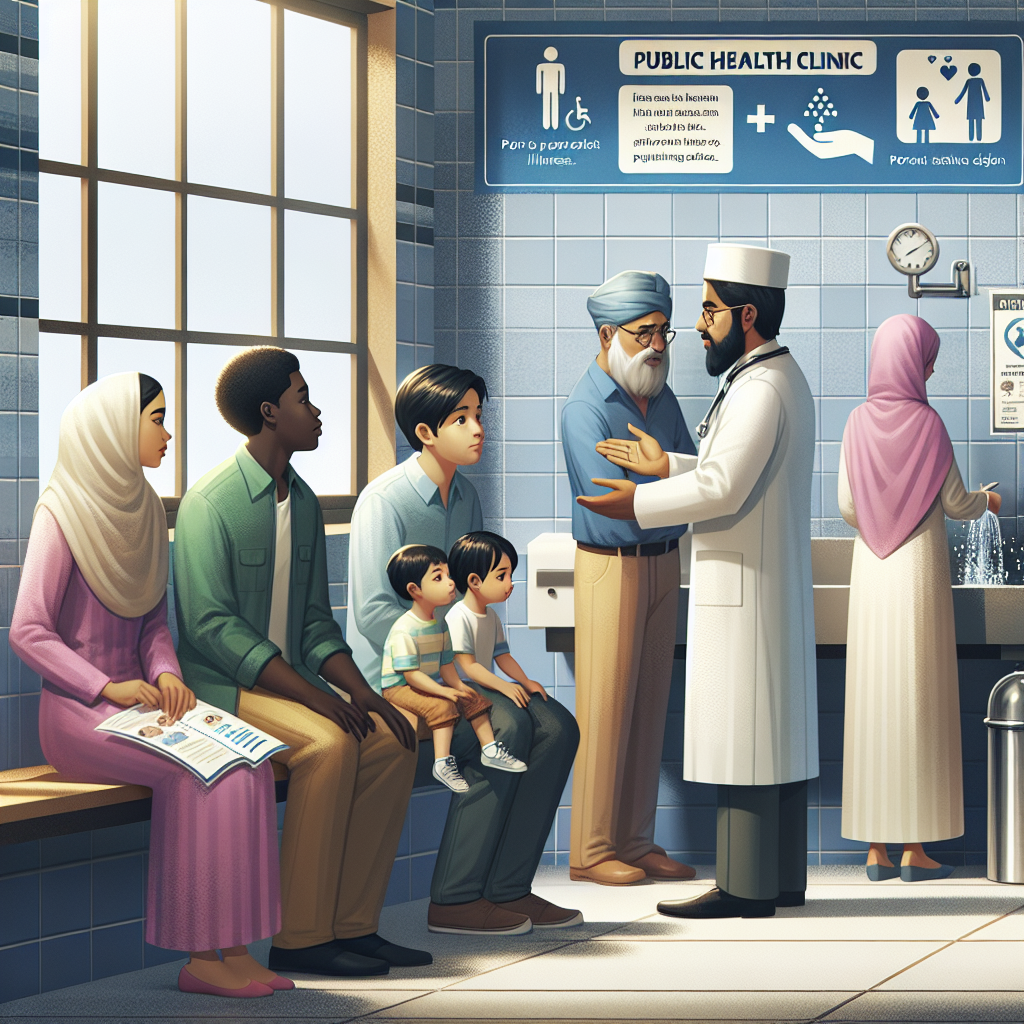
Diarrhea and vomiting (D&V) are common ailments that can affect anyone at any time. These conditions are not only unpleasant but can also lead to dehydration and other more severe health issues if not managed effectively. Fortunately, by adopting preventive measures, we can minimize the risk of contracting or spreading these conditions. This blog post will guide you through essential public health tips for D&V prevention, aiding you in safeguarding your health and that of your loved ones.
## Understanding D&V: Causes and Risk Factors
### **What Causes Diarrhea and Vomiting?**
Diarrhea and vomiting are typically symptoms of gastrointestinal infections, which can be caused by various factors including:
– Viral infections such as norovirus and rotavirus
– Bacterial infections like Salmonella or E. coli
– Parasitic infections such as Giardia
– Consumption of contaminated food or water
– Adverse reactions to certain medications or foods
– Stress and anxiety can sometimes manifest in physical symptoms, including D&V
### **Who is at Risk?**
Anyone can experience diarrhea and vomiting; however, certain groups are more vulnerable, such as:
– Children, especially infants
– Elderly individuals
– People with compromised immune systems
– Travelers, especially to areas with inadequate sanitation
## Key Prevention Strategies
Maintaining good hygiene and being mindful of food and water safety can significantly reduce the risk of D&V. Here are essential prevention tips:
### **1. Prioritize Hand Hygiene**
One of the simplest yet most effective ways to prevent D&V is practicing proper handwashing. This simple act can eliminate many pathogens responsible for these conditions.
#### **Handwashing Tips:**
– Wash your hands with soap and water for at least 20 seconds, especially after using the bathroom, before eating, and after handling raw foods.
– If soap and water aren’t available, use a hand sanitizer with at least 60% alcohol.
### **2. Ensure Safe Food Handling**
Contaminated food is a common source of gastrointestinal infections. Adhere to these guidelines to minimize risk:
– Wash fruits and vegetables thoroughly under running water before consumption.
– Cook meat, poultry, and seafood to the recommended temperatures.
– Avoid cross-contamination by using separate cutting boards and utensils for raw and cooked foods.
– Store perishables in the refrigerator promptly to inhibit bacterial growth.
### **3. Be Cautious with Drinking Water**
In many areas, tap water may not be safe to drink. Here’s what you can do:
– Use a water filter or boil water to kill off pathogens.
– Drink bottled water when traveling, particularly in regions with uncertain water safety.
– Avoid using ice made from tap water.
### **4. Practice Safe Eating When Traveling**
Traveling exposes you to new environments and germs. Protect yourself with these tips:
– Choose restaurants known for good hygiene practices.
– Prefer hot, thoroughly cooked meals over cold dishes.
– Peel fruits yourself instead of consuming pre-peeled options.
– Avoid street food, especially if it’s been sitting out for a while.
### **5. Stay Informed About Vaccinations**
Some causes of D&V, like rotavirus, have vaccines available. Consult with your healthcare provider regarding recommended vaccines, especially if you are in a high-risk group or plan on traveling.
## Building a Resilient Immune System
While preventive measures can significantly reduce the risk of D&V, a robust immune system can further protect you from falling ill.
### **1. Eat a Balanced Diet**
Nourish your body with these food components to support your immune health:
– Fresh fruits and vegetables rich in vitamins and antioxidants
– Lean proteins to aid in cell repair and growth
– Whole grains for energy
– Healthy fats, such as those found in nuts, seeds, and fish
### **2. Stay Hydrated**
Hydration is essential in maintaining bodily functions and flushing out toxins. Aim for at least:
– 8-10 glasses of water per day
– More if you are physically active or live in a hot climate
### **3. Get Regular Exercise**
Exercise boosts circulation and can enhance your immune system. Incorporate activities like:
– Aerobic exercises, such as walking, jogging, or cycling
– Strength training a few times a week
– Flexibility exercises like yoga or stretching
### **4. Prioritize Sleep**
Quality sleep boosts your immune defense. Aim for:
– 7-9 hours of sleep per night
– Establishing a consistent sleep routine
### **5. Manage Stress**
Chronic stress can weaken your immune system, making you more susceptible to illnesses. Consider:
– Practicing relaxation techniques like meditation or deep breathing exercises
– Engaging in activities that you enjoy and that help you unwind
## When to Seek Medical Attention
While most cases of D&V are manageable with home care, seek medical attention if you experience:
## Conclusion
Preventing diarrhea and vomiting is largely about adopting good hygiene practices and making informed lifestyle choices. By implementing the public health tips outlined above, you can significantly reduce the chance of encountering these unpleasant conditions. Remember, keeping yourself healthy not only benefits your well-being but also protects those around you from potential outbreaks. Stay vigilant, practice common-sense preventative measures, and enjoy a healthier life with fewer disruptions.