
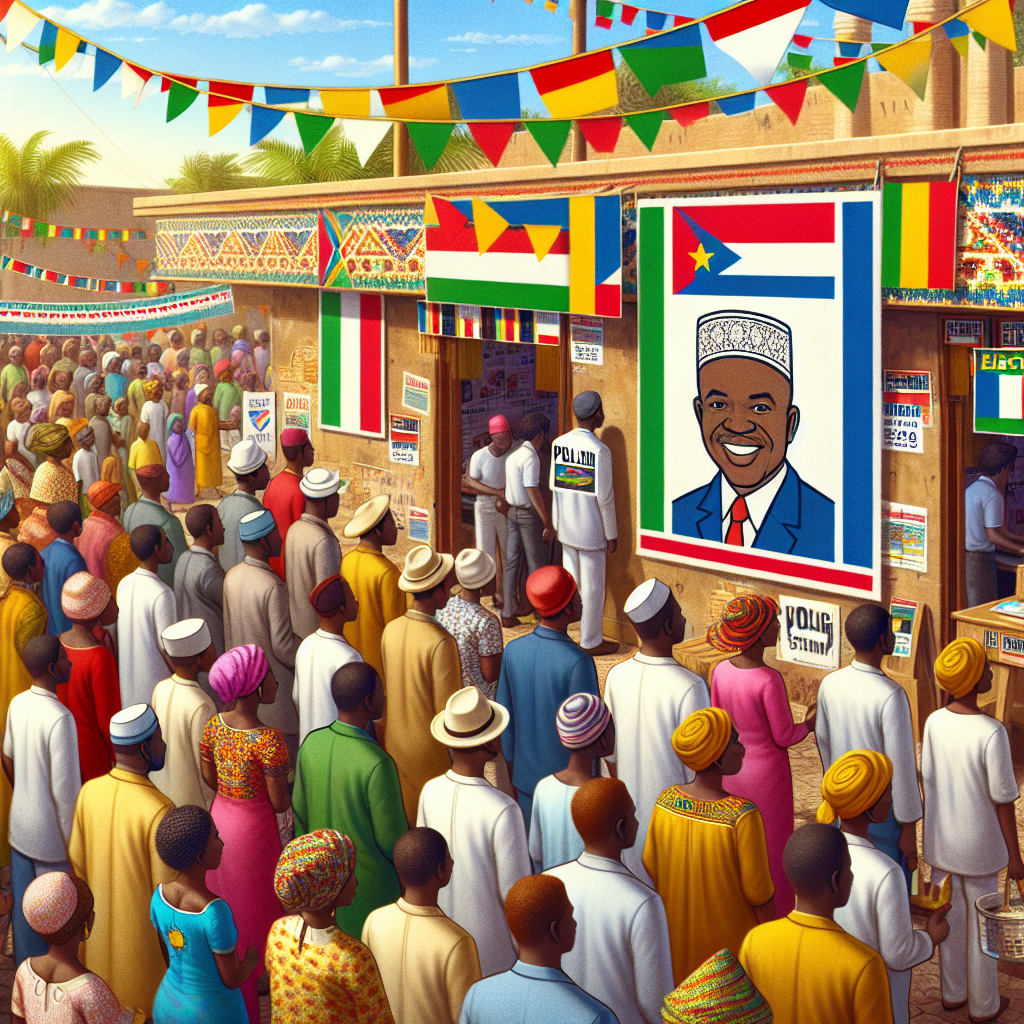
An Overview of Uganda’s Tense Presidential Election
Uganda’s recent presidential election has been marred by controversy, heightened tensions, and violence that led to tragic fatalities. With political stakes being at an all-time high, the atmosphere was fraught with unrest as citizens went to the polls to cast their votes. This section delves into the political backdrop and the events leading up to the election day.
The Political Climate
Leading up to the election, Uganda was a nation on edge. The incumbent president was vying for another term amidst criticisms and allegations from opposition parties. The political climate has been characterized by the following:
- Intense campaigning by multiple political parties seeking to effect change.
- Government’s stringent measures purportedly to ensure public safety, often criticized as oppressive.
- Reported crackdowns on opposition rallies and arrests of political figures, which heightened tensions and public unrest.
The Journey to Election Day
As the election date approached, incidents of violence and intimidation were reported, which called into question the fairness of the election process. Key factors influencing the journey to the ballot included:
- Restrictions on media freedom, with reports of journalists being targeted and limited access to information.
- Social media blockages imposed by the government, ostensibly to prevent the spread of misinformation.
- Escalating violence and unrest in various regions leading to fears about voter turnout and election security.
The Aftermath of the Election Results
The election results were declared amidst allegations of irregularities and disenfranchisement. The fallout from the announcement was swift and, unfortunately, violent, leading to tragic consequences. In this section, we examine the immediate repercussions following the election and the broader implications for Uganda.
Immediate Violent Outbreaks
- Post-election violence erupted in multiple cities, resulting in seven fatalities and numerous injuries.
- Protesters and security forces clashed, exacerbating already existing tensions, leading to a volatile situation.
- Businesses and daily operations in affected areas ground to a halt as fear and uncertainty spread.
Long-term Implications for Ugandan Politics
- The crisis has cast a long shadow on Uganda’s democratic process, questioning the integrity and justice of its electoral system.
- International observers have called for independent investigations into the election and its violent aftermath, adding to the pressure on national authorities.
- The situation has underscored the urgent need for political reforms to ensure genuine free and fair elections in the future.