
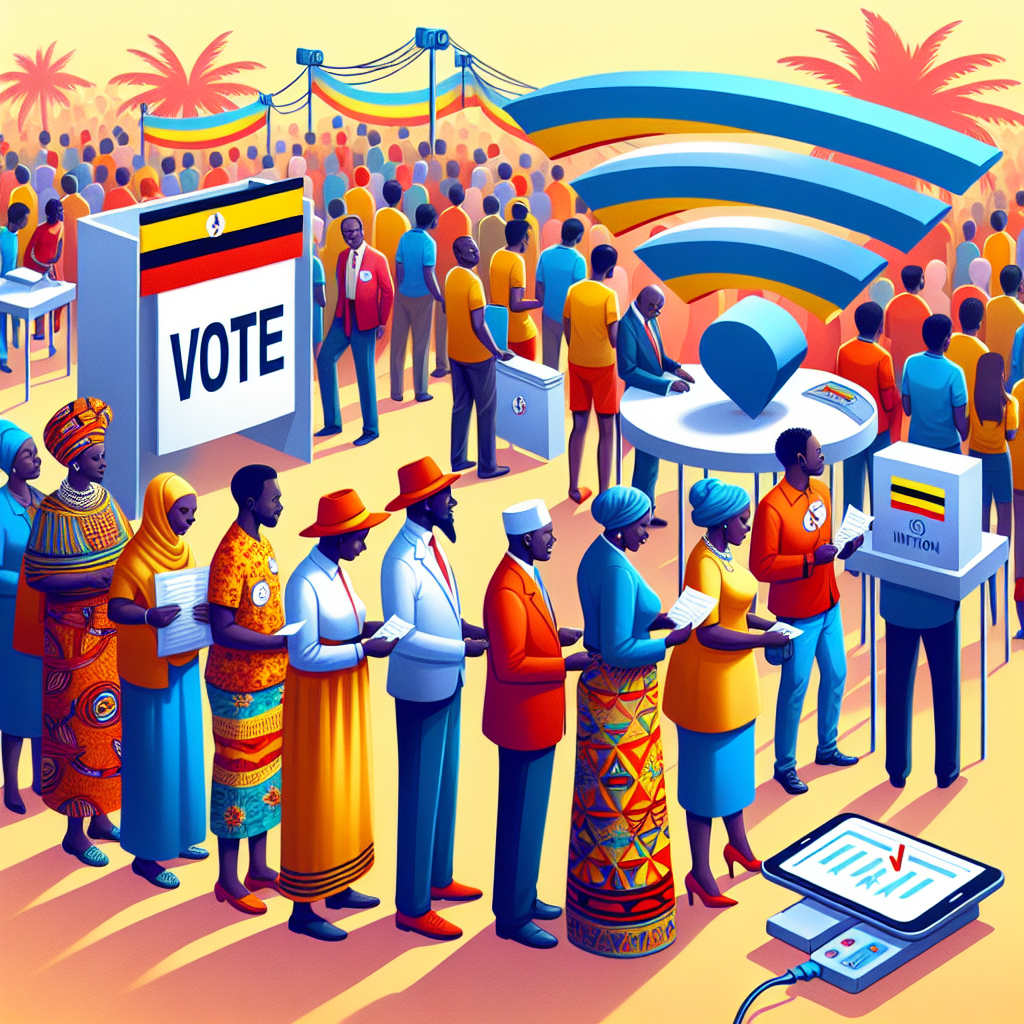
Understanding the Political Climate in Uganda
The political landscape in Uganda is undergoing significant changes, as citizens head to the polls amid a backdrop of internet disruptions and delays. This election is pivotal as it stands as a test of democracy for the East African nation. Here, we delve into the factors influencing this election and its impact on the nation’s future.
Impact of Internet Disruption
The decision to shut down the internet during the election period raised concerns among voters and international observers alike. Internet connectivity is crucial in modern elections for communication, information dissemination, and transparency. The disruption has prompted questions about the election’s integrity.
- Internet outages affect communication among voters and election monitors.
- The blackout hampers real-time reporting and observation of election proceedings.
- Concerns over potential vote manipulation without digital oversight grow.
Democratic Delays and Their Implications
Delays in the election process further complicate the situation, extending uncertainty and tension across the country. Understanding these delays is essential for comprehending the broader electoral environment in Uganda.
- Delayed voting leads to longer lines and increased frustration among citizens.
- Administrative inefficiencies highlight systemic challenges in election management.
- Delayed vote counting increases skepticism and distrust in results.
Key Players and Their Influence on the Election
The Ugandan election sees a mix of long-standing figures and fresh faces vying for power. Each candidate brings a unique perspective and agenda that could shape Uganda’s political and socio-economic future. Here’s a closer look at the influential contenders.
Incumbent Leadership
- President Yoweri Museveni, in power since 1986, seeks re-election.
- Museveni’s campaign focuses on stability and economic growth.
- Long-term leadership raises questions about political diversity and democracy.
Emerging Opposition
- Robert Kyagulanyi, popularly known as Bobi Wine, stands as a significant challenger.
- His campaign centers on youth empowerment and government transparency.
- The rising support among the younger electorate boosts his candidacy.