
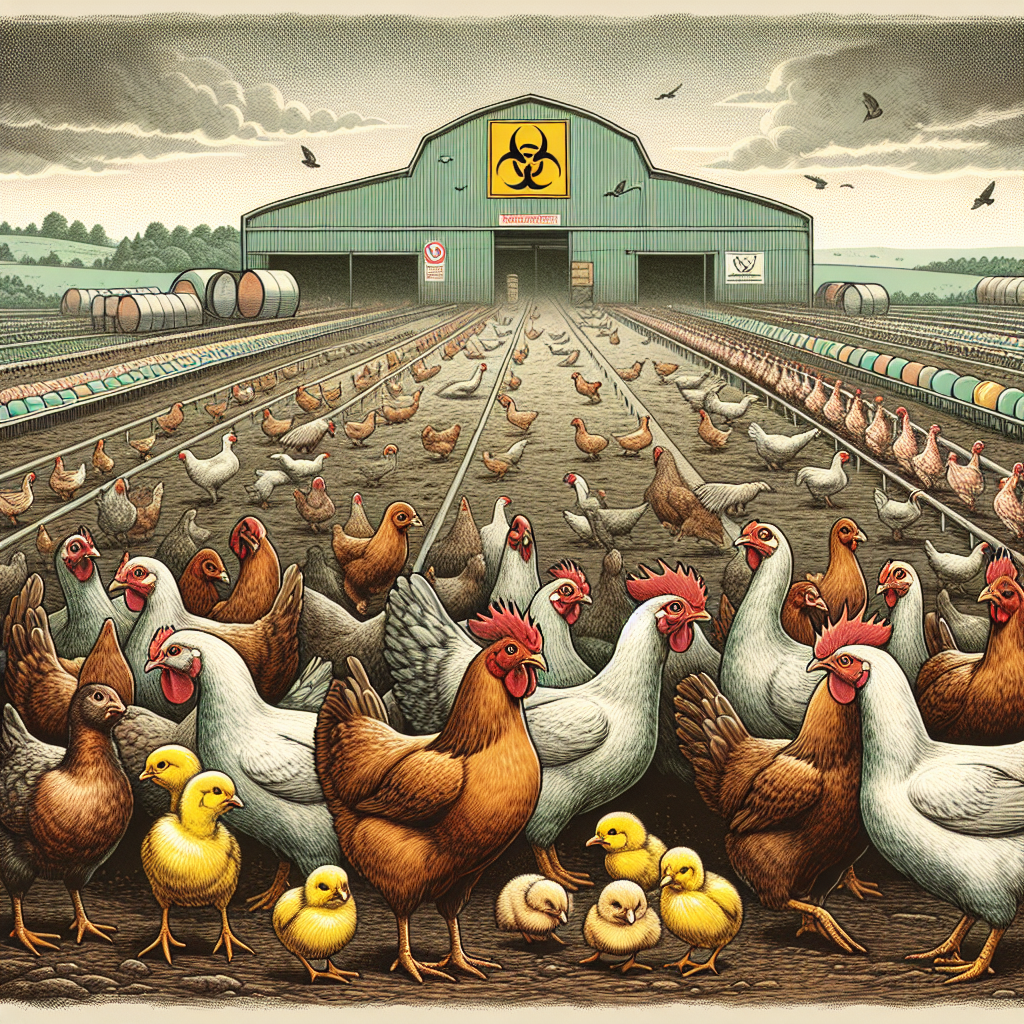
In recent news, the agricultural community in Yorkshire has faced a significant challenge due to a bird flu outbreak at a local poultry farm. This situation has prompted urgent action to prevent the virus from spreading further and compromising not only the health of avian species but also the broader agricultural industry. In this blog post, we’ll delve into the nature of the bird flu, the measures being implemented to curtail its spread, and what this could mean for the poultry industry and consumers.
## Understanding Bird Flu
### What is Bird Flu?
Bird flu, or avian influenza, is a viral infection that primarily affects birds but can also infect humans and other animals. The virus spreads through direct contact with infected birds or through their feces, nasal secretions, or secretions from the mouth or eyes. In some cases, it can become highly pathogenic and lead to significant mortality in bird populations.
### Recent History of Bird Flu in the UK
The UK has experienced several bird flu outbreaks over the past decade, impacting both the environment and the economy. **Notably, the H5N1 and H5N8 strains have been the primary culprits**, causing serious concern among farmers and health officials. These outbreaks necessitate rigorous measures to prevent widespread transmission.
## Details of the Yorkshire Outbreak
### How It Started
The outbreak in Yorkshire was identified when abnormal patterns of illness and mortality were noticed among the poultry population at a local farm. **Biosecurity officials quickly moved to confirm the presence of the virus**, and test results indicated the involvement of a highly pathogenic strain.
### Immediate Actions Taken
Once confirmed, officials were tasked with implementing _stringent_ measures to contain the outbreak. These actions included:
**The swift response aims to safeguard not only the local poultry population but also other farms at risk of infection.**
## Protection Measures in Place
### Biosecurity Protocols
One of the primary strategies in managing the bird flu outbreak is enforcing robust biosecurity protocols. These include:
**Strict adherence to these protocols is essential to prevent further spread.**
### Public Warnings and Guidance
The government and health agencies have issued several warnings and guidance for those who may come into contact with affected birds. These include:
**Public awareness campaigns** are also being conducted to educate people on the risks and safety measures.
## Implications for the Poultry Industry
### Economic Impact
The outbreak has significant economic implications for the Yorkshire poultry industry. With the activation of containment protocols, several businesses face disruptions in operations. **The loss of livestock and restricted trade** can lead to financial strain, highlighting the need for effective support systems for affected farmers.
### Future Preparedness
Given the recurrence of bird flu outbreaks, experts stress the importance of developing comprehensive preparedness plans. These plans should include:
Ensuring robust frameworks can help mitigate the impact of future outbreaks.
## Impact on Consumers
### Potential Food Supply Concerns
The outbreak also raises questions about food security. **With potential restrictions on poultry availability**, consumers might experience temporary disruptions in supply. Officials assure that the industry is working towards minimizing these effects through strategic resource allocation.
### Consumer Confidence
Maintaining consumer confidence is crucial during such outbreaks. Clear communication from health authorities about the safety of poultry products and ongoing measures can help ensure continued public trust. **Transparency and timely updates** are pivotal in this regard.
## Conclusion
The bird flu outbreak at the Yorkshire poultry farm serves as a stark reminder of the challenges posed by zoonotic diseases. The situation demands coordinated efforts between authorities, farmers, and consumers to effectively manage and contain the virus. While the path ahead may be daunting, the commitment to biosecurity measures and industry resilience can help navigate these testing times.
### Staying Informed
By staying informed and prepared, both producers and consumers can play a role in safeguarding the poultry industry from similar future threats. Keep abreast of updates from local health departments and agricultural agencies to stay aware of any changes in protocols or guidelines. Together, a collaborative approach can lead to a swift resolution and swift recovery for Yorkshire’s poultry sector.