
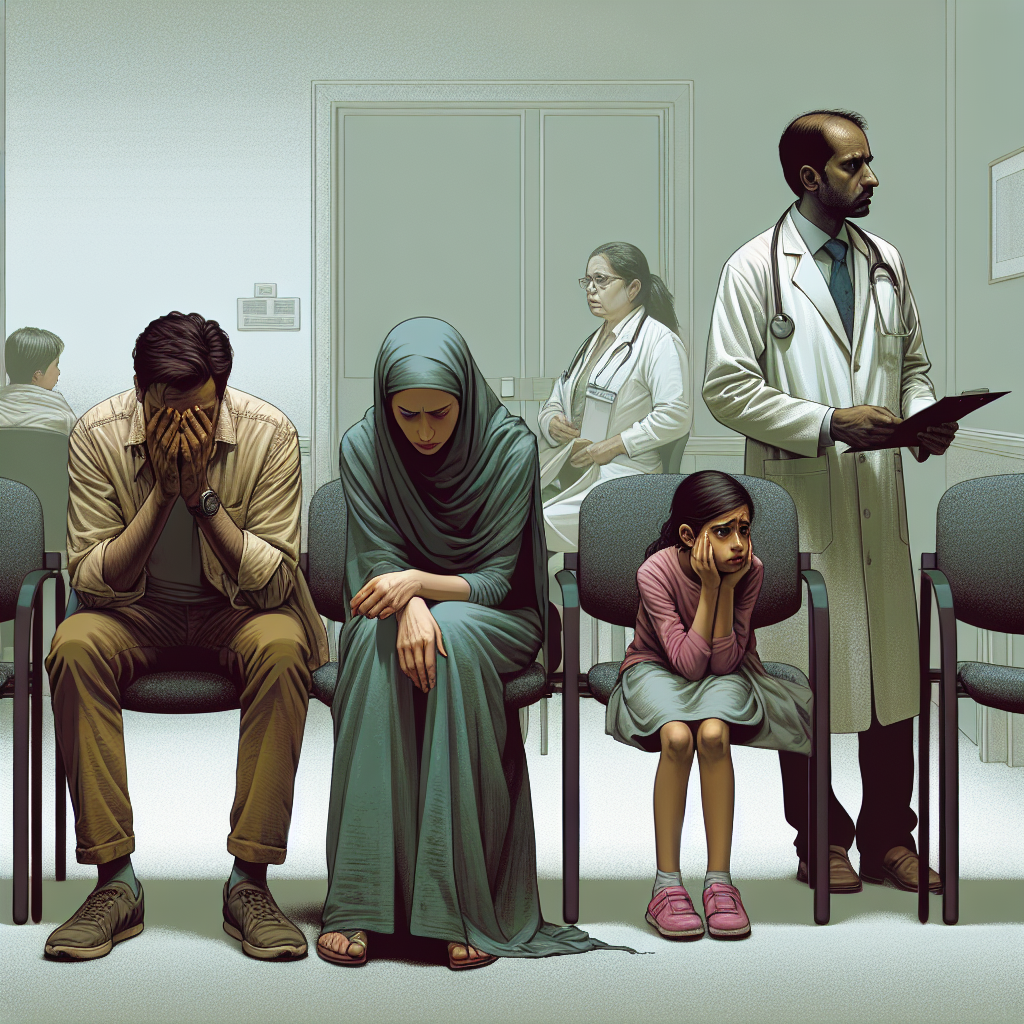
In a heartbreaking incident that highlights the critical importance of accurate medical diagnosis, a young father tragically lost his life due to a cardiac arrest which was a direct consequence of a misdiagnosis. This unfortunate event not only devastated his family but also shed light on the healthcare system’s current challenges in accurately diagnosing cardiac conditions.
## Understanding Cardiac Arrest and Misdiagnosis
Cardiac arrest is a serious medical emergency that occurs when the heart suddenly stops beating. It can lead to death within minutes if not treated immediately. **Recognizing the warning signs and addressing them promptly** is crucial in preventing fatal outcomes. Unfortunately, misdiagnosis or delayed diagnosis can have severe consequences, as was the case for this young father.
### The Importance of Early Detection
Early detection of heart-related issues can save lives, as timely intervention is often key to survival. The following symptoms should not be ignored:
–
–
–
–
**Medical professionals must be vigilant** in identifying these symptoms and conducting the appropriate tests to rule out or confirm cardiac issues.
## The Tragic Story
The young father, whose identity is being kept private out of respect for his family, had been experiencing chest pains and fatigue for several weeks. **Healthcare providers initially misdiagnosed the symptoms** as anxiety and prescribed medication accordingly. Tragically, this oversight resulted in a missed opportunity to treat an underlying heart condition, leading to cardiac arrest.
### Family’s Reaction and Call for Accountability
The family’s grief is compounded by frustration and anger at the healthcare system for missing the signs. They are now advocating for:
–
–
–
The family hopes that by sharing their story, they can prevent similar tragedies in the future.
## The Role of Accurate Diagnosis in Preventing Cardiac Arrest
A misdiagnosis can mean the difference between life and death. **Ensuring accurate diagnosis requires** a combination of training, awareness, and access to diagnostic tools.
### Steps to Improve Diagnostic Accuracy
To ensure fewer cases of misdiagnosis in the future, the healthcare system needs to implement the following steps:
1. **Enhanced Training for Medical Professionals**
– **Continuous education** on recognizing cardiac symptoms.
– Simulations and case studies to improve diagnostic skills.
2. **Improved Access to Diagnostic Tools**
– Investment in state-of-the-art diagnostic tools, such as ECG machines and blood tests.
– Making these tools readily available in primary healthcare settings.
3. **Increased Public Awareness of Heart Health**
– **Educational campaigns** to inform the public about the warning signs of cardiac conditions.
– Encouraging individuals to seek medical attention promptly when experiencing symptoms.
### Innovations in Cardiac Diagnosis
Recent advancements in medical technology offer hope in the fight against misdiagnosis. Innovations such as AI-assisted diagnostic tools and wearable health trackers enable more precise detection of cardiac abnormalities. By integrating technology into routine healthcare, *we can enhance patient outcomes and reduce the risk of tragedies* like this one.
## Emotional and Social Impacts on the Family
The loss of a loved one is always tragic, but when it happens unexpectedly, the emotional and social impacts can be particularly devastating for the family involved.
### Coping with Grief
For the family of the young father, grief is compounded by the sudden nature of his passing and the knowledge that it might have been preventable. **Support systems are crucial in helping them cope**, including:
– **Counseling and therapy** for managing grief.
– Support groups for sharing experiences with others who have faced similar losses.
### Long-Term Effects on the Family
Beyond immediate grief, a sudden loss can have lasting effects on a family’s dynamics and future:
– **Economic impact**: The loss of a breadwinner can lead to financial instability.
– **Emotional strain**: Children growing up without a parent may face emotional and psychological challenges.
## Conclusion: Advocating for Change in Healthcare
The tragic death of a young father due to a misdiagnosis should serve as a wake-up call for the medical community and society at large. By taking proactive steps to improve diagnostic accuracy, increase public awareness, and support affected families, we can strive to prevent similar tragedies in the future.
Key Takeaways:
– **Cardiac arrest is a major health concern** that can often be prevented with timely and accurate diagnosis.
– **Healthcare systems need to prioritize** training, technology, and patient education to reduce the risk of misdiagnosis.
– The families affected by such tragedies require **comprehensive support** to cope and heal.
Ultimately, learning from this unfortunate incident and advocating for change can honor the memory of the young father and help safeguard others from similar fates.