
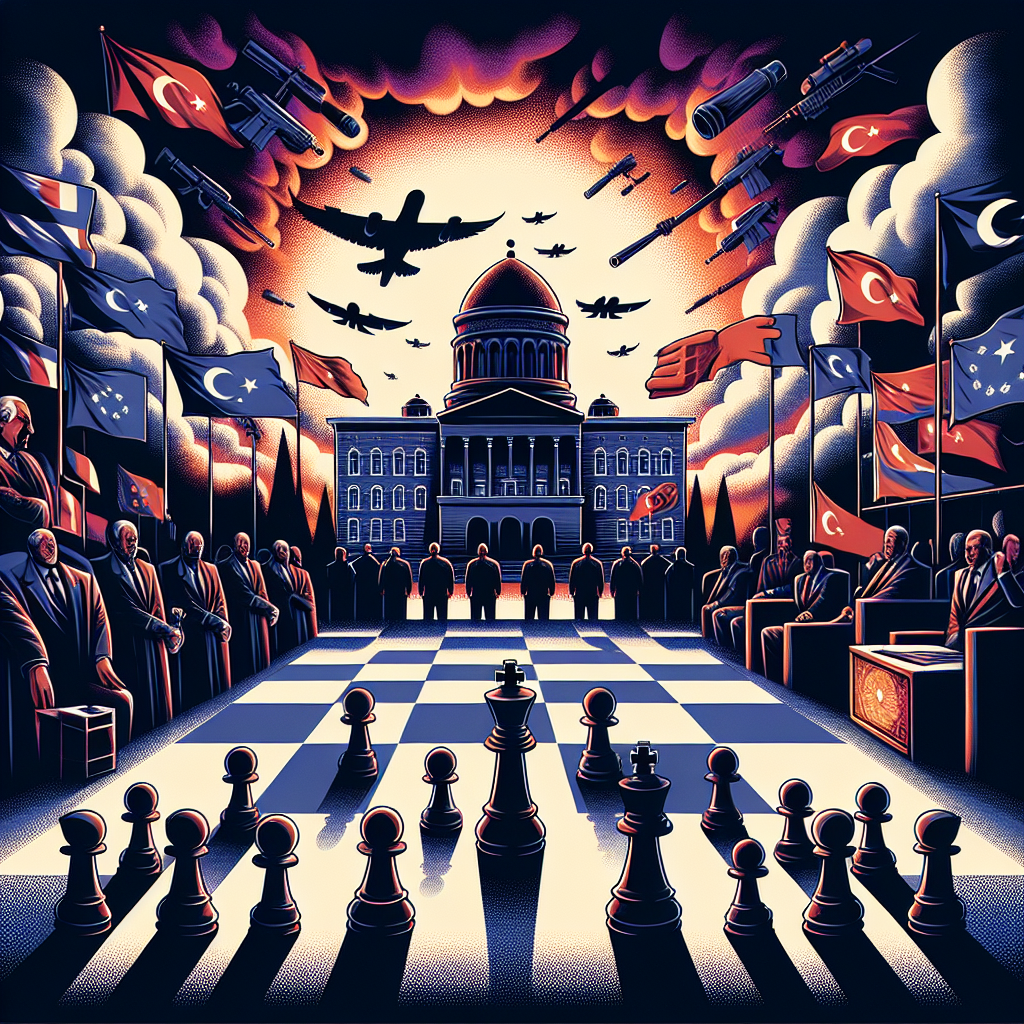
Unveiling the Impending Changes
With the Turkish presidential elections on the horizon, an air of anticipation surrounds the nation. Among the expected developments are critical changes in Turkish intelligence leadership, a move that could have far-reaching implications for the country’s political landscape. These anticipated shifts are stirring discussions among political analysts and media outlets alike, as Turkey prepares for another significant electoral event.
The Role of Intelligence in Turkish Politics
Intelligence agencies play a pivotal role in shaping the political and security dynamics within a country. In Turkey, these agencies are integral to both domestic and international policy-making. This context makes any change in intelligence leadership particularly noteworthy.
- Influence on national security strategies.
- Impact on counter-terrorism efforts.
- Effect on international relations and diplomacy.
Why Leadership Changes Are Anticipated
Leadership changes in intelligence agencies often signify broader shifts in political strategy, especially as elections near. Understanding why these changes are anticipated in Turkey requires examining the current political and security climate.
- Recent geopolitical challenges and shifts.
- Internal political dynamics and party strategies.
- Previous patterns of leadership changes during election cycles.
Implications of Intelligence Leadership Changes
The potential adjustments in Turkey’s intelligence leadership not only hold consequences for the electoral outcome but also for the broader regional stability. These changes could redefine Turkey’s approach to longstanding issues and position in the international arena.
Impact on Domestic Politics
- Potential shift in political alliances and policies.
- Influence on public perception and electoral outcomes.
- Strengthened or weakened opposition strategies.
Regional and International Consequences
- Altered dynamics with neighboring countries.
- Changes in Turkey’s role in NATO and other international bodies.
- Potential re-evaluation of foreign policy directions.