
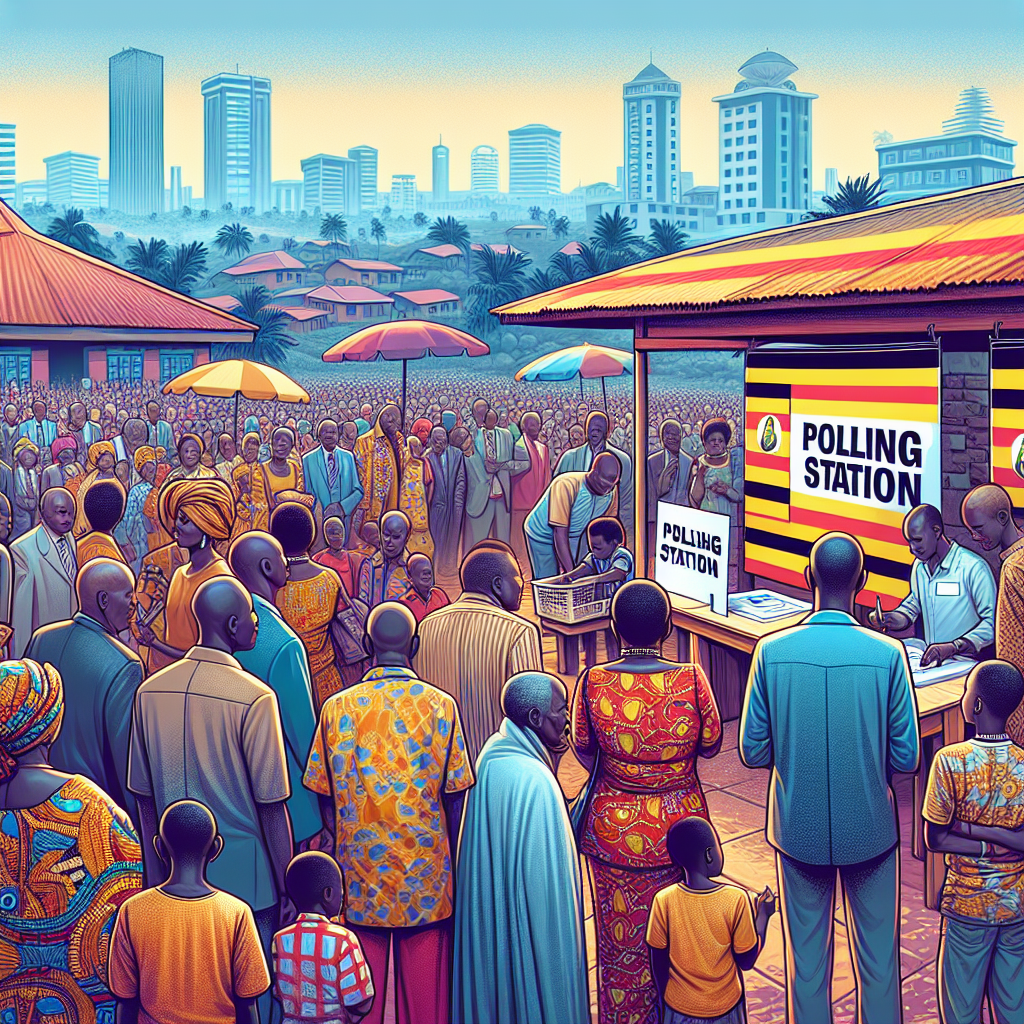
Understanding the Political Landscape
The upcoming Ugandan Presidential Election of 2026 promises to be a significant event in the country’s political history. As the election approaches, understanding the political dynamics, the key players, and the pressing issues is crucial for Ugandans and the international community. This section delves into the current political climate and the historical context shaping the election.
The Political Context
Uganda’s political arena has been defined by a mix of long-standing leadership and emerging opposition forces. Understanding this context is vital to predicting the potential outcomes and the impact on governance.
- Yoweri Museveni’s longstanding presidency and its implications.
- The role of opposition parties and new political movements.
- The influence of regional politics and neighboring countries.
Key Election Issues
Several critical issues are at the forefront of voters’ and political parties’ minds. These issues will likely play a pivotal role in shaping the election campaigns and voters’ decisions.
- Economic challenges and growth strategies.
- Security concerns and policies addressing them.
- Social issues such as education, healthcare, and infrastructure.
Potential Impact of the 2026 Election
The outcome of the 2026 Presidential Election will have wide-ranging implications not only for Uganda but also for East Africa and beyond. This section explores these potential impacts in detail.
Economic Consequences
- Potential investment opportunities and foreign policy changes.
- Shifts in trade agreements and economic ties with other nations.
- Implications for domestic industries and job creation.
Socio-Political Changes
- Evolution of the democratic process and political reforms.
- Strengthening or weakening of civil liberties and human rights.
- Impact on social stability and national unity.